
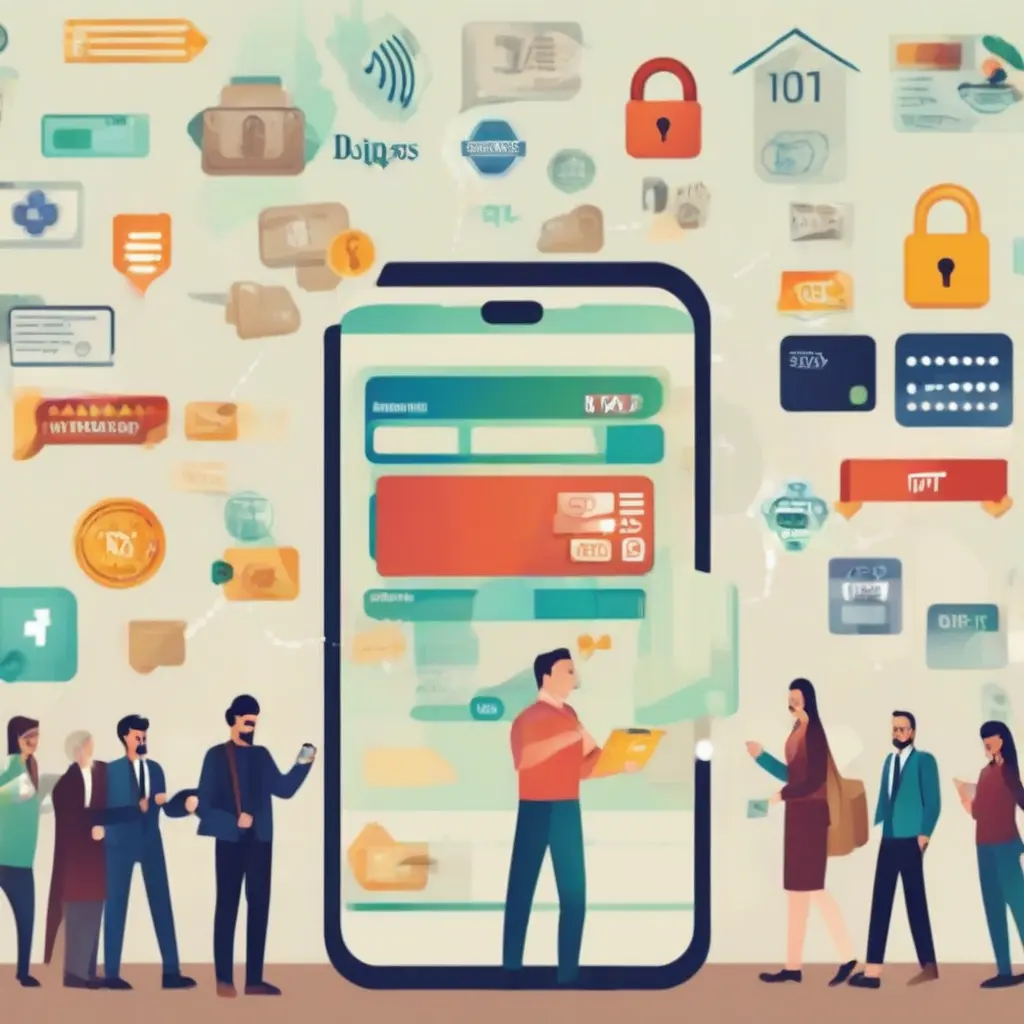
As digital wallets gain popularity in India, understanding their security implications has never been more vital. With the convenience of online transactions comes the responsibility of safeguarding personal information and finances. This article delves into the various security considerations that Indian users must be aware of while utilizing digital wallets, ensuring a secure and seamless online payment experience.
Understanding Digital Wallets
Digital wallets, also known as e-wallets, are applications that allow users to store payment information and make transactions digitally. In India, popular options include Paytm, Google Pay, and PhonePe. These wallets facilitate quick payments, enabling users to send and receive money, pay bills, and shop online. Understanding the operational aspects of these wallets is crucial, as it empowers users to utilize their features effectively while being mindful of their security.
Common Security Risks Associated with Digital Wallets
Using digital wallets exposes users to various security risks, such as phishing attacks, unauthorized access, and malware threats. Phishing attacks often occur through misleading emails or messages that attempt to harvest sensitive information. Users must remain vigilant against suspicious messages and avoid clicking on unknown links to minimize risks. Additionally, malware can compromise devices, leading to financial loss; thus, maintaining updated security software is essential.
Importance of Strong Passwords
One of the fundamental ways to secure digital wallet accounts is by using strong, unique passwords. A strong password typically consists of a mix of uppercase and lowercase letters, numbers, and special characters. It’s advisable to avoid common words or easily guessable information like birthdays. Furthermore, users should refrain from using the same password across multiple accounts to minimize potential risks. Regularly updating passwords enhances security and offers an extra layer of protection.
Two-Factor Authentication (2FA)
Implementing two-factor authentication (2FA) significantly bolsters the security of digital wallets. 2FA adds an additional layer of verification, typically involving something the user knows (like a password) and something the user has (like a mobile phone). This means that even if a hacker obtains the password, they would still require the second form of verification to gain access to the account. Many digital wallets offer 2FA; users are encouraged to enable it for enhanced security.
Regular Monitoring of Transactions
Regularly monitoring transactions is a crucial security practice for digital wallet users. Users should frequently review their transaction history to identify any unauthorized activities. Most digital wallets provide real-time notifications for transactions, allowing users to stay informed. In the event of suspicious transactions, users must report them immediately to the wallet provider to mitigate potential losses. This proactive approach enhances security and minimizes the impact of fraud.
Using Secure Networks
When using digital wallets, it’s vital to ensure a secure internet connection. Public Wi-Fi networks are often susceptible to security breaches, making it easier for hackers to intercept sensitive information. Users should either rely on secure, private networks or use a Virtual Private Network (VPN) to enhance the security of their online activities. By ensuring a secure connection, users can significantly reduce the risk of data theft during transactions.
Updating the Wallet App Regularly
Keeping digital wallet applications updated is crucial for maintaining security. App developers frequently release updates that patch security vulnerabilities and introduce new features. Users should enable automatic updates on their devices or regularly check for updates manually. This practice ensures that users benefit from the latest security enhancements and features, thereby reinforcing the safety of their digital transactions against evolving threats.
Be Aware of Impersonation Scams
Impersonation scams are increasingly common within the realm of digital payments. Scammers may pose as customer support representatives or trusted individuals to trick users into sharing sensitive information. Users must verify the identity of anyone requesting sensitive data and should contact the official customer service channels of their wallet provider if they receive suspicious inquiries. Awareness of these scams can significantly reduce the risk of falling victim to fraud.
The Role of Encryption
Encryption is a fundamental technology that helps to protect users’ financial data during online transactions. Digital wallets utilize advanced encryption methods to safeguard sensitive information such as passwords and payment details. This process converts data into a code that can only be decrypted by authorized parties. Users should ensure that their digital wallet providers employ robust encryption standards, which are crucial in defending against data breaches and unauthorized access.
Educating Yourself About Security Measures
Staying informed about the latest security measures is essential for users of digital wallets. Cybersecurity is a rapidly evolving field, and new threats can emerge at any moment. Users should take the initiative to educate themselves about potential risks and protective measures. Online resources, webinars, and articles can provide valuable insights into safe practices and emerging threats. By staying informed, users can better protect their finances and personal information.
Conclusion
In conclusion, using digital wallets wisely involves a comprehensive understanding of security considerations. By implementing strong passwords, enabling two-factor authentication, monitoring transactions, and being aware of scams, Indian users can enhance their digital safety. As technology continues to evolve, remaining vigilant and informed is key to enjoying the benefits of digital wallets while safeguarding personal and financial information.