
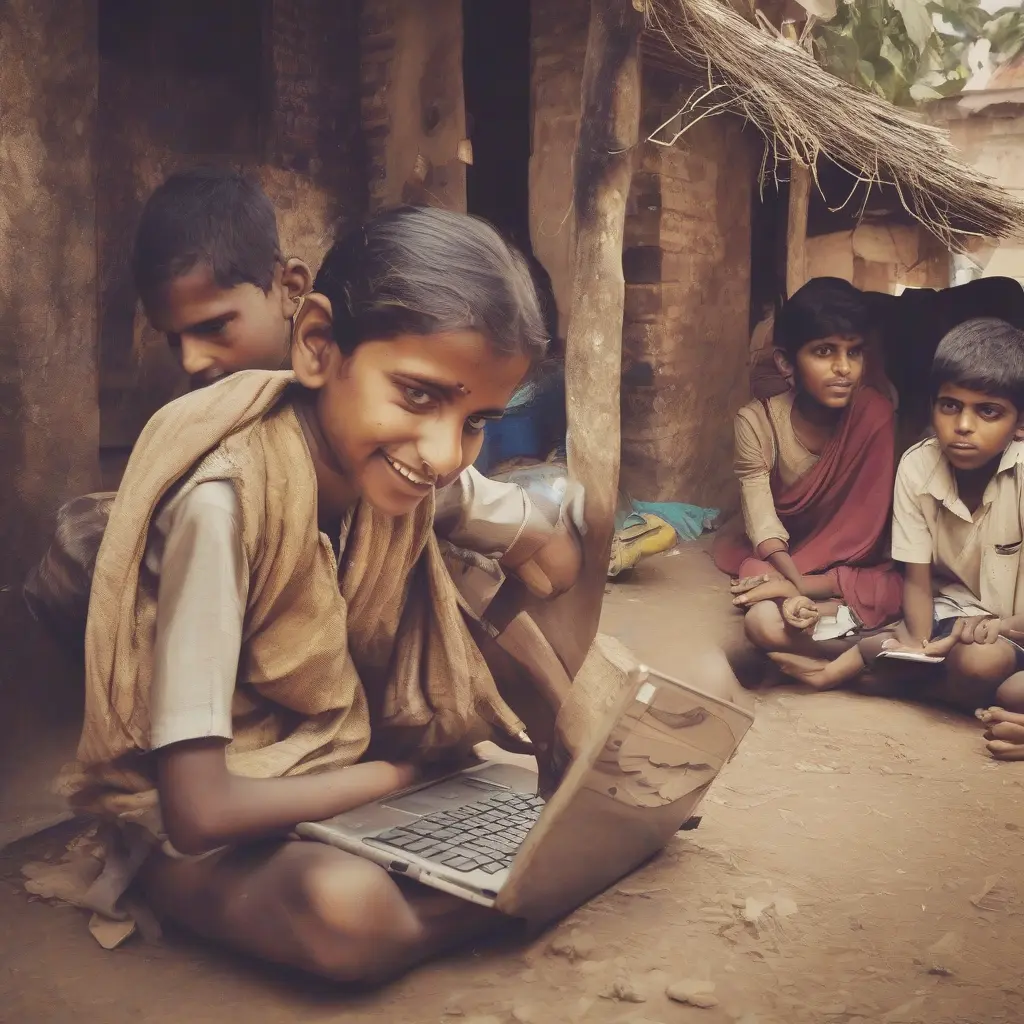
The digital divide in India is a critical issue, reflecting significant disparities in access to technology and the internet across various demographics. This divide poses challenges to education, economic opportunities, and overall social development. As the world progresses towards more digital solutions, understanding the extent and implications of this divide is essential. Awareness and proactive measures can help bridge this gap, ensuring equitable access to technology for all citizens. In this article, we will explore the factors contributing to the digital divide in India, its repercussions, and possible strategies for addressing these disparities.
Understanding the Digital Divide
The digital divide refers to the gap between individuals who have easy access to digital technologies and those who do not. In India, this division is often marked by geographical, economic, and educational disparities. Urban populations typically have better access to the internet and modern technology, while rural areas lag significantly. Additionally, socio-economic factors such as income level and education restrict access to digital resources. This divide not only limits individual opportunities but also impacts national development.
Factors Contributing to the Digital Divide in India
Several factors contribute to the persistent digital divide in India. One primary factor is the economic disparity, where affluent areas benefit from better infrastructure and services, while impoverished regions struggle with minimal connectivity. Education levels also play a crucial role; higher literacy rates often correlate with increased internet usage. Furthermore, technological accessibility varies, with many individuals lacking devices necessary for online engagement. These barriers create a cycle that perpetuates the divide, hindering progress and inclusion.
Impact on Education
The digital divide significantly impacts education in India, especially highlighted during the COVID-19 pandemic when online learning became essential. Students in urban areas could access digital resources, while many rural students were left without any means to participate in virtual classes. This lack of access leads to decreased educational outcomes and reinforces existing inequalities. Addressing this aspect of the digital divide is crucial for creating an equitable education system that benefits all students regardless of location.
Economic Implications
The economic implications of the digital divide are profound, as it restricts job opportunities and economic growth for those without access. Individuals lacking digital skills cannot compete in a job market that increasingly demands technological proficiency. Moreover, businesses in regions with limited internet access miss out on leveraging digital platforms for growth and networking. This disparity further widens the economic gap, emphasizing the need for interventions to enhance digital literacy and access.
Social Consequences
Social consequences of the digital divide are far-reaching, affecting community engagement and social cohesion. Individuals without internet access often find it challenging to connect with larger communities, participate in civic discourse, or access essential services. This isolation can lead to decreased awareness of social issues and hindered civic participation. For a diverse nation like India, bridging the digital divide is essential to fostering an inclusive society that values every citizen’s voice and contributions.
Government Initiatives to Bridge the Gap
The Indian government has initiated several programs aimed at bridging the digital divide. Notable projects include the Digital India initiative, which aims to enhance digital infrastructure, increase internet connectivity, and promote digital literacy among citizens. Various state governments are also implementing localized solutions, such as establishing internet kiosks in rural areas and providing subsidized devices for students. These initiatives are vital as they address both access and education simultaneously, fostering an environment conducive to digital inclusivity.
Role of NGOs and Private Sector
Non-governmental organizations (NGOs) and private sectors are playing a pivotal role in bridging the digital divide. Many NGOs are focused on providing training programs that equip underprivileged communities with digital skills essential for the modern economy. Private companies also invest in technology infrastructure, partnering with local governments to improve internet access in rural areas. Collaborative efforts between these entities can create a more holistic approach to solving the digital divide, emphasizing community engagement and targeted solutions.
Importance of Digital Literacy
Digital literacy is crucial for individuals to navigate the increasingly digital world. It encompasses not only the ability to use technology but also understanding online safety and information verification. Without digital literacy, even those with access may struggle to realize the full benefits of the internet. Therefore, educational programs focusing on digital skills are essential in empowering users, especially in rural areas. This empowerment can lead to informed citizens who contribute positively to society.
The Future of the Digital Divide in India
Looking ahead, the future of the digital divide in India will largely depend on continued efforts in bridging the gap. Policymakers must prioritize equitable access to technology and educational initiatives to ensure that all citizens are prepared for a digital-first world. As technology evolves, adapting strategies to address emerging challenges will be vital. Fostering innovation while focusing on inclusivity will be key to reducing the digital divide, ultimately benefiting the entire nation.
Conclusion
In conclusion, the digital divide in India poses significant challenges that require comprehensive awareness and systematic intervention. By recognizing the factors contributing to this divide and implementing targeted solutions, stakeholders can bridge this gap effectively. Collaboration among government agencies, NGOs, and the private sector is crucial for enhancing access and digital literacy. Ultimately, addressing the digital divide will lead to a more equitable society, fostering growth, education, and social participation for all citizens.