
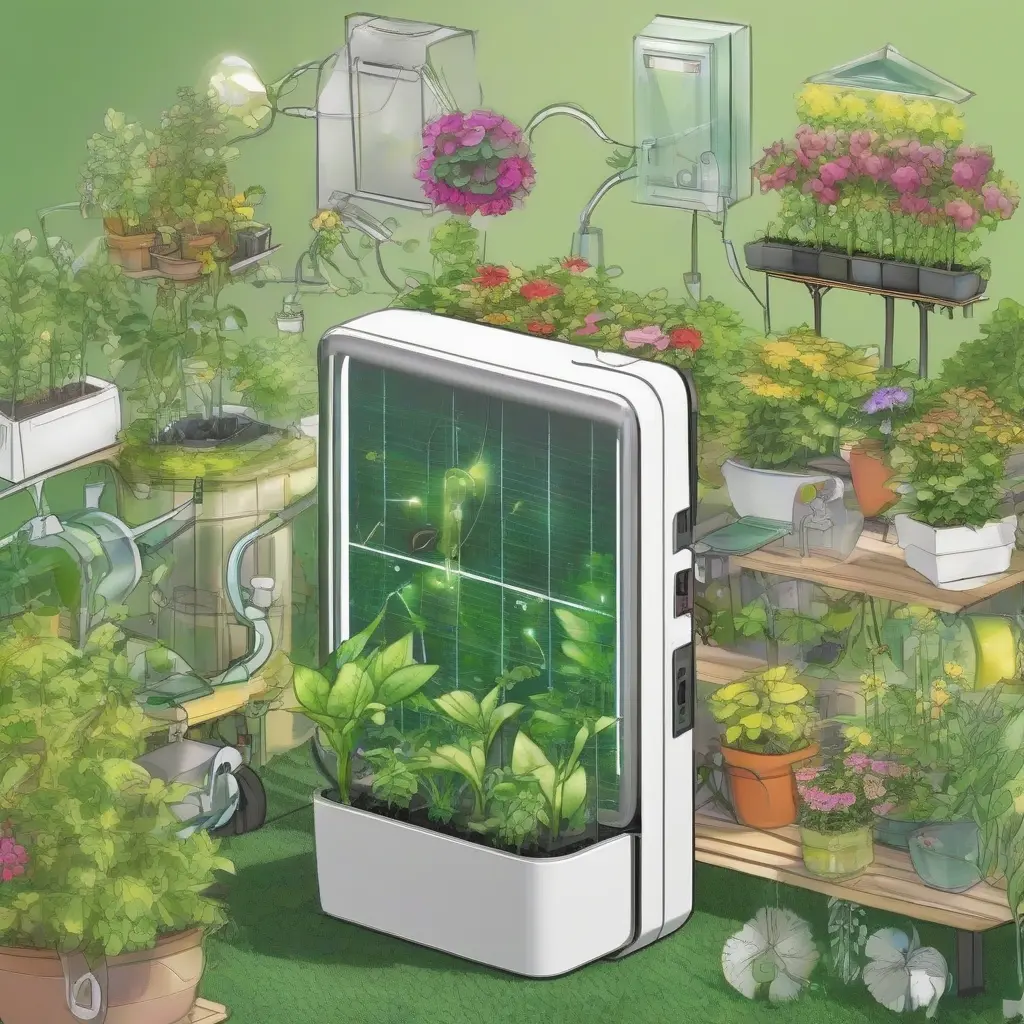
Creating a smart garden at home is an innovative way to blend technology with nature, making plant care easier and more efficient. By integrating intelligent systems and devices, homeowners can monitor and maintain their gardens with minimal effort. From automated watering schedules to sensors that track soil moisture levels, technology empowers gardeners, regardless of experience level, to cultivate thriving ecosystems. This article delves into various technologies and tools that can transform your gardening experience, promoting better plant health and optimal growth.
Understanding Smart Gardening Basics
Smart gardening refers to the use of technology to enhance gardening practices, ensuring optimal conditions for plant health. This encompasses a wide range of systems, including IoT (Internet of Things) devices, automated systems, and mobile applications. These technologies help gardeners monitor variables like soil moisture, temperature, and humidity, allowing for informed decisions about watering and fertilization. As homeowners become more familiar with smart gardening, they can implement the right tools to create a more efficient and productive gardening environment.
Essential Tools for a Smart Garden
In establishing a smart garden, it is vital to identify essential tools such as smart irrigation systems, soil moisture sensors, and automated lighting solutions. Smart irrigation systems can schedule watering times based on weather forecasts and plant needs, conserving water while ensuring adequate hydration. Soil moisture sensors provide real-time data about moisture levels, allowing for precise watering when necessary. Additionally, automated lighting can optimize plant growth by mimicking natural sunlight cycles, crucial for indoor gardens or those with limited sunlight exposure.
How to Choose Smart Garden Devices
Selecting the right smart garden devices involves considering factors like compatibility, ease of use, and functionality. Look for devices that can integrate seamlessly with existing systems and offer compatibility with smart home platforms like Google Assistant or Amazon Alexa. User-friendly interfaces and mobile apps are essential, allowing gardeners to monitor and control their plants conveniently. Additionally, consider purchasing devices with multifunctional capabilities, such as soil moisture sensors that also measure temperature, ensuring a comprehensive approach to plant care.
Integrating Sensors for Optimal Plant Health
Integrating sensors is a vital aspect of creating a smart garden, providing real-time feedback on plant conditions. Soil moisture sensors, temperature gauges, and light sensors are commonly used to help gardeners track the environment’s quality for their plants. By placing these sensors strategically throughout the garden, homeowners can receive alerts and notifications if conditions need adjustment, such as increasing or decreasing watering frequency. This level of monitoring contributes significantly to enhanced plant health by preventing overwatering or underwatering, which can be detrimental to growth.
Automated Watering Systems: Benefits and Features
Automated watering systems are a cornerstone of smart gardening, significantly reducing the time and effort required for plant care. These systems are equipped with timers and sensors that customize watering schedules based on the plants’ specific needs and environmental conditions. Benefits include water conservation, as these systems adjust watering based on rainfall data, and consistent hydration, which promotes healthier plant growth. Features such as remote access and programmable settings further enhance the user experience, allowing gardeners to manage watering from anywhere via mobile applications.
Utilizing Smart Apps for Garden Management
Smart gardening apps play a crucial role in managing garden care effectively by providing valuable insights and tools for monitoring plant health. These applications often include features such as growth trackers, watering reminders, and weather forecasts, allowing gardeners to stay informed and proactive. Users can also log their garden activities, making it easier to identify patterns and adjust their care strategies. Many apps even offer community features where gardeners can share tips and experiences, fostering a sense of connection and collaboration among plant enthusiasts.
Combining Hydroponics with Smart Technology
Integrating hydroponics into smart gardening can be a game-changer, allowing for efficient growing without soil using nutrient-rich water instead. Smart hydroponic systems leverage technology to monitor and control essential parameters like pH levels, nutrient concentration, and water temperature. This level of automation reduces the risk of human error and enhances the growing environment, resulting in healthier, faster-growing plants. Additionally, many hydroponic systems connect to smartphones for easy monitoring, enabling users to adjust conditions on the go, making it ideal for busy individuals.
Implementing Climate Control Systems
Implementing climate control systems in a smart garden ensures that environmental factors are optimized for plant growth. These systems monitor and adjust temperature, humidity, and ventilation within a greenhouse or indoor garden. By utilizing smart fans, heaters, or dehumidifiers, gardeners can create a stable environment, which is essential for certain plants that require specific conditions. Climate control systems can be programmed to respond to real-time data from environmental sensors, maintaining optimal conditions automatically and providing peace of mind for gardeners.
Benefits of Data-Driven Gardening
Data-driven gardening leverages the insights gained from smart devices to make informed decisions for optimal plant care. By analyzing data collected from various sensors and devices, gardeners can identify trends and patterns that indicate how their plants respond to specific environmental conditions. This information allows for precision in watering, fertilization, and light exposure, resulting in healthier plants and improved yields. Additionally, data-driven techniques can enhance efficiency by reducing resource wastage, aligning with sustainable gardening practices.
Common Challenges in Smart Gardening
Despite the numerous benefits of smart gardening, some challenges may arise during implementation. Technical issues, such as connectivity problems or device compatibility, can hinder performance and frustrate users. Additionally, reliance on technology may lead to a lack of basic gardening knowledge, as individuals may become too dependent on devices for monitoring and care. Also, initial setup costs for smart gardening tools can be high, which might deter some gardeners. Addressing these challenges through proper research, education, and support can enhance the overall smart gardening experience.
Conclusion
Creating a smart garden at home enriches the gardening experience and enhances plant care through innovative technology. By integrating various tools and systems, such as automated watering, data-driven insights, and climate control, gardeners can cultivate thriving plants with minimal effort. The advancement of smart gardening not only promotes sustainable practices but also empowers individuals to connect with nature in a meaningful way, ensuring that everyone can enjoy the benefits of gardening, regardless of their expertise.