
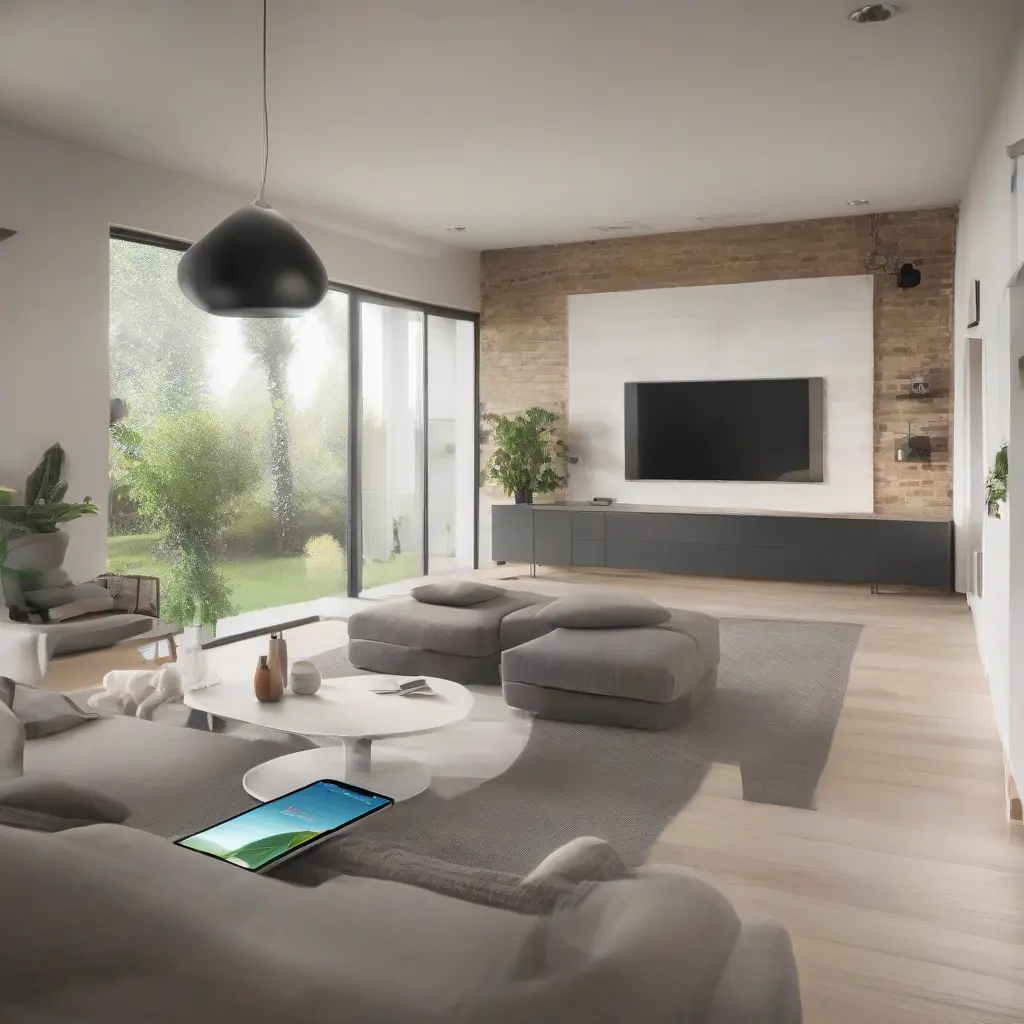
As technology continues to evolve, smart home devices have gained significant popularity among homeowners seeking convenience, energy efficiency, and enhanced security. These devices, ranging from smart thermostats to security cameras, promise to transform the way we manage our living spaces. However, while the benefits are compelling, potential challenges also arise, including privacy concerns and compatibility issues with existing systems. In this article, we will explore both the advantages and drawbacks of adopting smart home technology, providing valuable insights for those considering an upgrade.
What are Smart Home Devices?
Smart home devices are interconnected gadgets designed to improve the convenience and efficiency of managing household functions. These devices can be controlled remotely via smartphones or voice assistants, allowing homeowners to manage everything from lighting and heating to security systems. Smart home technology includes various products such as smart bulbs, smart locks, and smart speakers. The integration of these devices into a cohesive system is often referred to as a smart home ecosystem, which can streamline daily tasks and enhance the overall living experience.
Benefits of Smart Home Devices
One of the primary benefits of smart home devices is enhanced convenience. With remote access capabilities, homeowners can control their devices from anywhere, making tasks like adjusting the thermostat or locking the doors more manageable. This also extends to automating everyday activities, such as programming lights to turn on at sunset or using smart speakers to play music on demand. Additionally, automating these functions can lead to significant time savings, allowing homeowners to focus on more important aspects of their lives.
Energy Efficiency and Cost Savings
Smart home devices contribute to energy efficiency, which can translate into substantial cost savings over time. Smart thermostats, for example, can learn a homeowner’s schedule and automatically adjust the temperature when they are away, reducing energy consumption. Similarly, smart lighting systems can minimize electricity usage by allowing users to control lights remotely or set schedules for turning them off. These features not only lower utility bills but also promote environmentally friendly practices, making them appealing for eco-conscious consumers.
Improved Security Features
Security is a significant concern for many homeowners, and smart home devices offer advanced options to safeguard properties. Smart cameras, video doorbells, and motion sensors provide real-time monitoring, enabling homeowners to keep an eye on their premises remotely. Notifications can alert users to unusual activity, making it easier to respond quickly to potential threats. Integrating smart locks adds another layer of protection, allowing users to control access to their homes without traditional keys, thereby enhancing overall security.
User-Friendly Interfaces
Many smart home devices come equipped with user-friendly interfaces that simplify operation for all household members. Usually controlled through mobile apps and voice commands, these devices are designed to be intuitive, even for those who may not be tech-savvy. This accessibility encourages families to embrace technology and incorporate it into their daily routines. The ease of use can significantly enhance the appeal of smart home solutions, allowing various users to benefit from the features without extensive technical know-how.
Challenges and Limitations
Despite their many advantages, smart home devices also present some challenges that homeowners should consider. One common issue is compatibility; not all devices work seamlessly together, which can lead to frustration when attempting to create a unified smart home ecosystem. Furthermore, many products rely on specific operating systems, making it crucial for homeowners to research compatibility thoroughly before investing in new technology. This limitation can add complexity to the smart home experience, especially for those not well-versed in technology.
Privacy and Security Concerns
Privacy concerns are among the most significant challenges associated with smart home devices. These gadgets often collect and store personal data, including usage patterns, preferences, and even live feeds from security cameras. Users must understand how their data is utilized and whether adequate security measures are in place to protect it. Recognizing potential vulnerabilities and implementing strong password practices can mitigate risks, but homeowners should remain vigilant and informed about privacy policies related to their devices.
Over-reliance on Technology
Over-reliance on smart home technology can lead to dependency, where homeowners may struggle to perform basic tasks without automation. This scenario can become a concern, especially in the event of power outages or technical malfunctions. While the convenience offered by these devices is significant, it is vital for individuals to maintain traditional skills and methods for managing their homes. Striking a balance between smart technology and basic practices is crucial for long-term adaptability.
The Cost of Smart Home Technology
The initial investment in smart home devices can be substantial, often deterring potential users from making upgrades. Costs vary widely based on the complexity of the systems and the types of devices selected. While some products, like smart bulbs, may be relatively affordable, comprehensive security systems or smart home hubs can incur higher expenses. Homeowners must consider their budget and weigh the long-term benefits and savings against the upfront costs to make informed decisions.
Future Trends in Smart Home Technology
The future of smart home technology looks promising, with advancements in artificial intelligence and machine learning set to enhance device capabilities. Emerging trends include greater interoperability among devices, allowing for seamless integration regardless of the manufacturer. Additionally, innovations in energy management and security systems are likely to provide enhanced features that cater to evolving consumer needs. As technology continues to evolve, homeowners can expect smarter, more efficient solutions to emerge in the market.
Conclusion
In conclusion, smart home devices offer a wealth of benefits, including convenience, energy savings, and enhanced security features, making them attractive for homeowners. However, challenges such as privacy concerns, compatibility issues, and the costs associated with initial investments must not be overlooked. By understanding both the advantages and drawbacks, homeowners can make informed decisions about integrating smart technology into their lives, ensuring they maximize the benefits while mitigating potential risks.