The impact of technology on our daily lives extends to our sleep patterns, influencing how we rest and recover. With the rise of smartphones, tablets, and various electronic devices, many people find it challenging to maintain a healthy sleep routine. This article delves into the various ways technology can disrupt sleep, the role of blue light, the effects of sleep-tracking devices, and the importance of digital wellness. By understanding these factors, individuals can make informed decisions about their tech use and its impact on their sleep hygiene.
The Influence of Blue Light on Sleep
Blue light, emitted by smartphones, tablets, and computer screens, has a profound effect on sleep patterns. This type of light interferes with the body’s natural circadian rhythm by suppressing melatonin production, a hormone crucial for regulating sleep. Research indicates that exposure to blue light, especially before bedtime, can delay sleep onset and reduce overall sleep quality. By limiting screen time in the evening and using blue light filters on devices, individuals can help restore natural sleep patterns and promote better rest.
Sleep-Tracking Devices and Apps
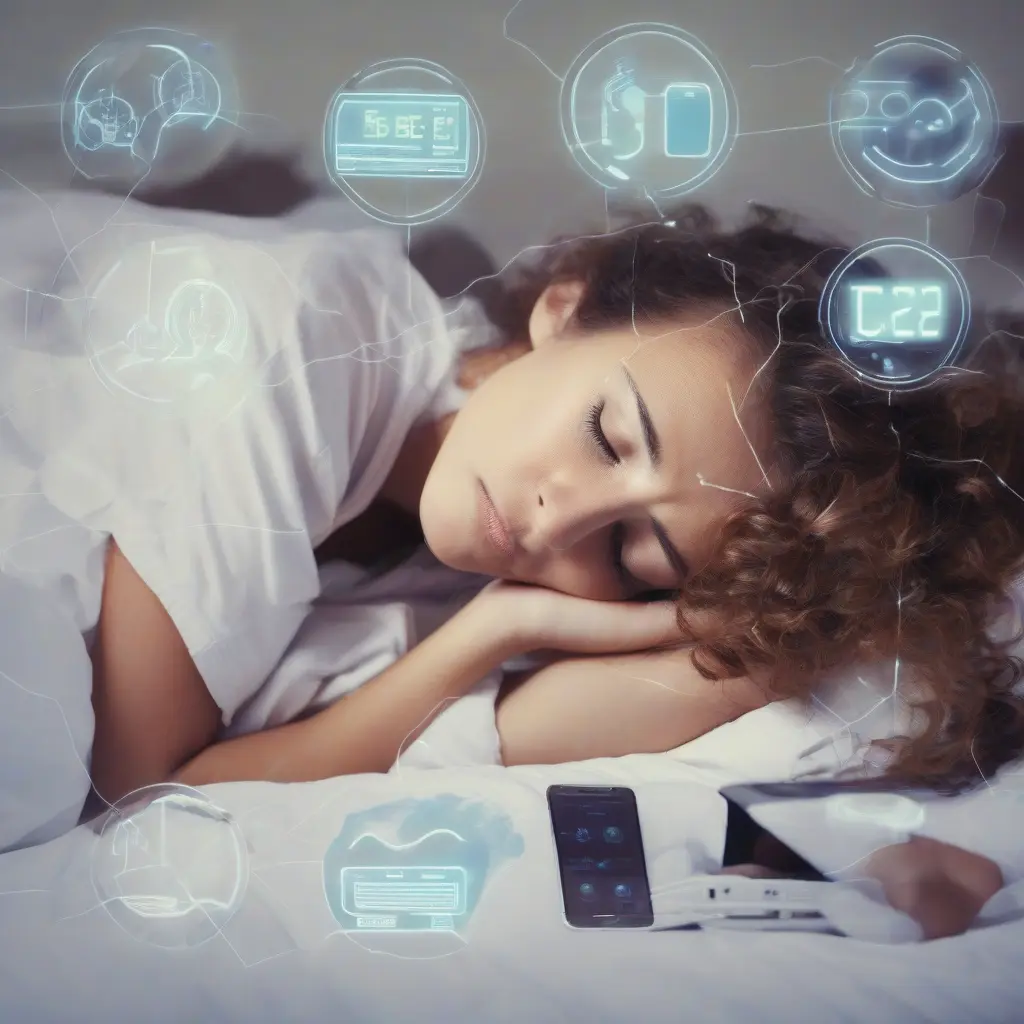
The emergence of sleep-tracking devices and mobile apps provides individuals with the opportunity to monitor their sleep patterns more effectively. These tools can analyze various metrics, such as sleep duration, quality, and even specific sleep stages. While this data is useful for understanding personal sleep habits, it can unintentionally create anxiety for some users, leading them to over-analyze their sleep. Striking a balance between utilizing these technologies and trusting one’s natural sleep cues is essential for maintaining healthy sleep hygiene.
The Role of Social Media in Sleep Disruption
Social media platforms are a significant source of distraction, often leading to late-night scrolling and decreased sleep duration. Notifications and messages can disrupt the pre-sleep environment, causing individuals to stay awake longer than intended. Additionally, the content on these platforms may trigger emotional responses that can elevate stress levels, further complicating the ability to fall asleep. Establishing boundaries around social media use prior to bedtime can aid in creating a more conducive environment for restful sleep.
Digital Wellness: Strategies for Better Sleep
Adopting digital wellness strategies can significantly enhance sleep quality. Setting specific ‘tech-free’ hours, particularly before sleeping, allows individuals to unwind and detach from their devices. Techniques such as reading a physical book or practicing relaxation exercises can promote a calming bedtime routine. Furthermore, designating a charging station outside the bedroom can reduce the temptation to engage with devices at night. By consciously implementing these strategies, individuals can cultivate a more restful environment that fosters better sleep.
The Impact of Gaming on Sleep Patterns
Video gaming, especially late at night, can negatively influence sleep patterns due to its engaging nature and screen exposure. The adrenaline and excitement from gaming sessions can make it difficult to transition into a relaxed state, delaying bedtime significantly. Furthermore, the blue light emitted from screens often exacerbates the issue by hindering melatonin production. Setting limits on gaming hours and opting for earlier play sessions can contribute to improved sleep quality and aid in maintaining a healthier sleep schedule.
The Connection Between Sleep Quality and Mental Health
Research has established a clear link between sleep quality and mental health. Poor sleep can exacerbate conditions like anxiety and depression, while good sleep often serves as a protective factor. Technology can both positively and negatively affect this relationship. For instance, mental health apps that promote relaxation and mindfulness can enhance sleep, while other tech distractions can hinder overall mental well-being. Recognizing this interplay is vital for fostering both healthy sleep habits and emotional resilience.
How Smart Home Devices Affect Sleep Hygiene
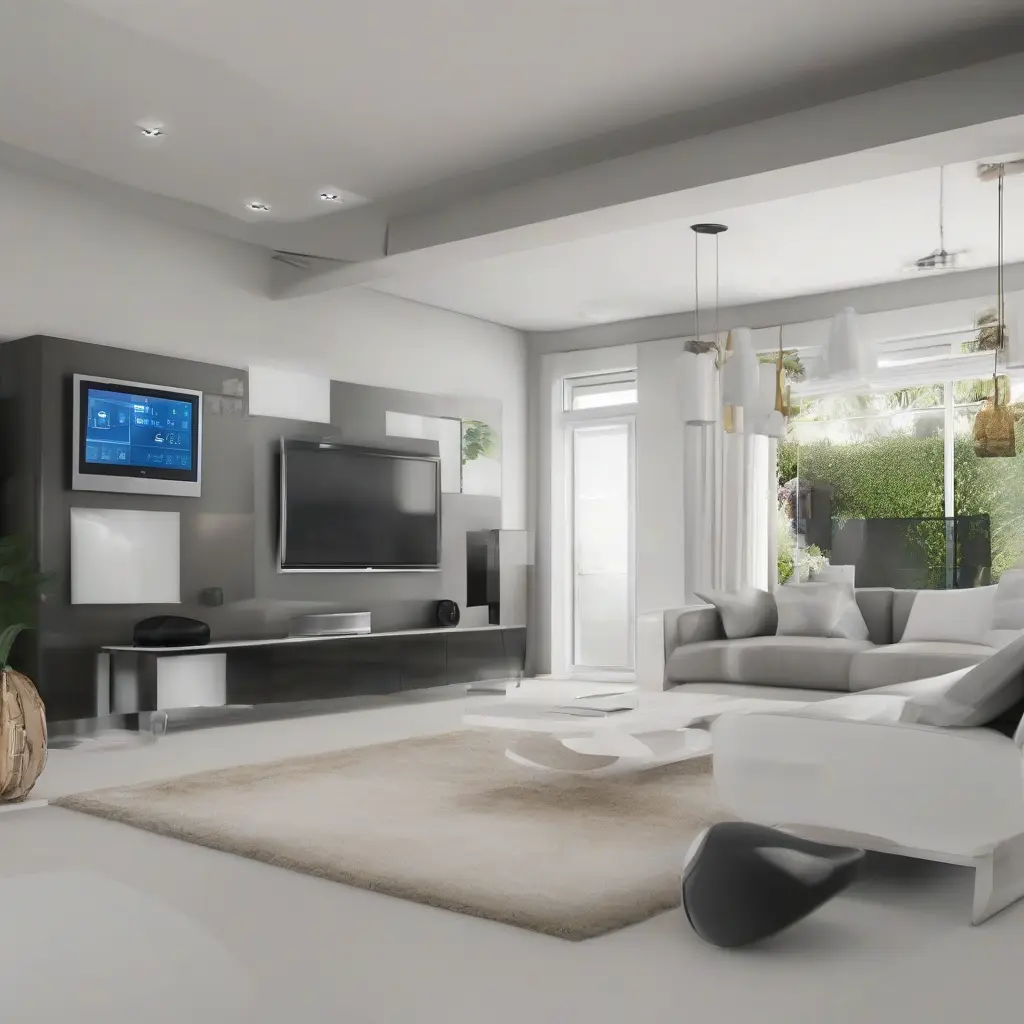
Smart home devices can either support or disrupt sleep hygiene, depending on their application. Devices like smart thermostats can maintain an optimal sleeping environment by regulating room temperature, while smart lights can simulate sunset to help signal the body to wind down. Conversely, over-reliance on these gadgets can create an environment filled with constant notifications and distractions. Understanding how to use these technologies judiciously can help create a balanced approach to enhancing sleep quality.
The Effects of Remote Work on Sleep Patterns
The shift to remote work has altered daily routines and, consequently, sleep patterns for many individuals. While remote work offers flexibility, it can also lead to blurred lines between work and personal time. Increased screen time during work can extend into late hours, affecting sleep onset and quality. Establishing clear boundaries between work hours and personal time, along with designated workspaces, can help mitigate the negative effects on sleep and promote a healthier work-life balance.
Concluding Insights on Technology and Sleep
Understanding the relationship between technology and sleep is essential for fostering better sleep habits in today’s digital age. By acknowledging the various influences—from blue light exposure to the use of sleep-tracking devices—individuals can take proactive steps toward improving their sleep hygiene. Creating a balance between technology use and healthy sleep practices can enhance overall well-being, leading to more restorative and restful nights.