Smart gardening represents a revolutionary approach to horticulture that integrates advanced technologies, promoting efficiency and sustainability. With the increasing concern over food security and environmental impact, tech-savvy solutions like IoT devices, smart sensors, and mobile applications are gaining traction. These innovations not only optimize resource usage but also enable gardeners to monitor and control their gardens with unprecedented precision. As a result, smart gardening is paving the way for a more sustainable future in agriculture, empowering individuals and communities to cultivate their food responsibly.
Understanding Smart Gardening
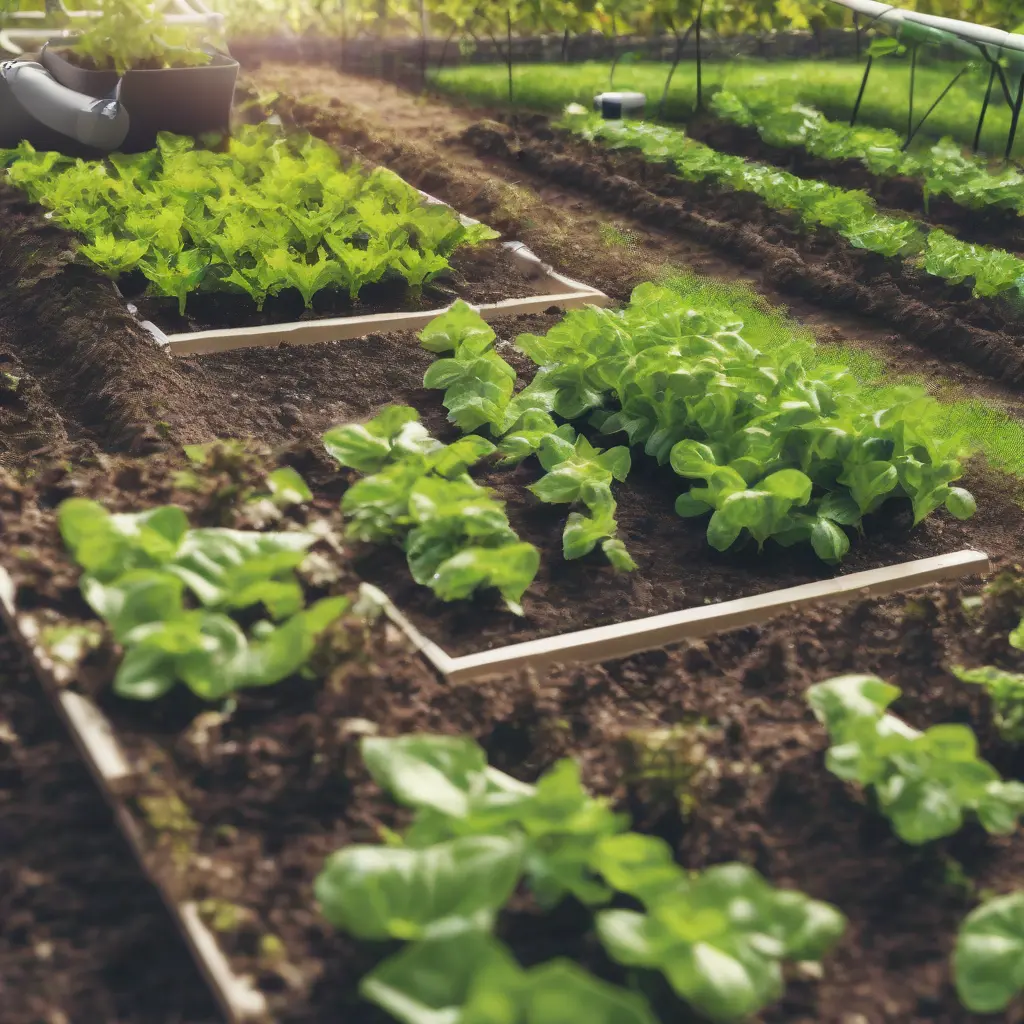
Smart gardening combines traditional gardening techniques with modern technology to enhance productivity and sustainability. This approach involves using data-driven methods to optimize plant growth and minimize waste. For instance, smart irrigation systems can automatically adjust water supply based on soil moisture levels, ensuring that plants receive the right amount of water at the right time. Additionally, remote monitoring tools allow gardeners to track their plants’ health and growing conditions, enabling timely interventions when needed. By leveraging these technologies, smart gardening not only improves yields but also conserves resources.
The Role of IoT in Smart Gardening
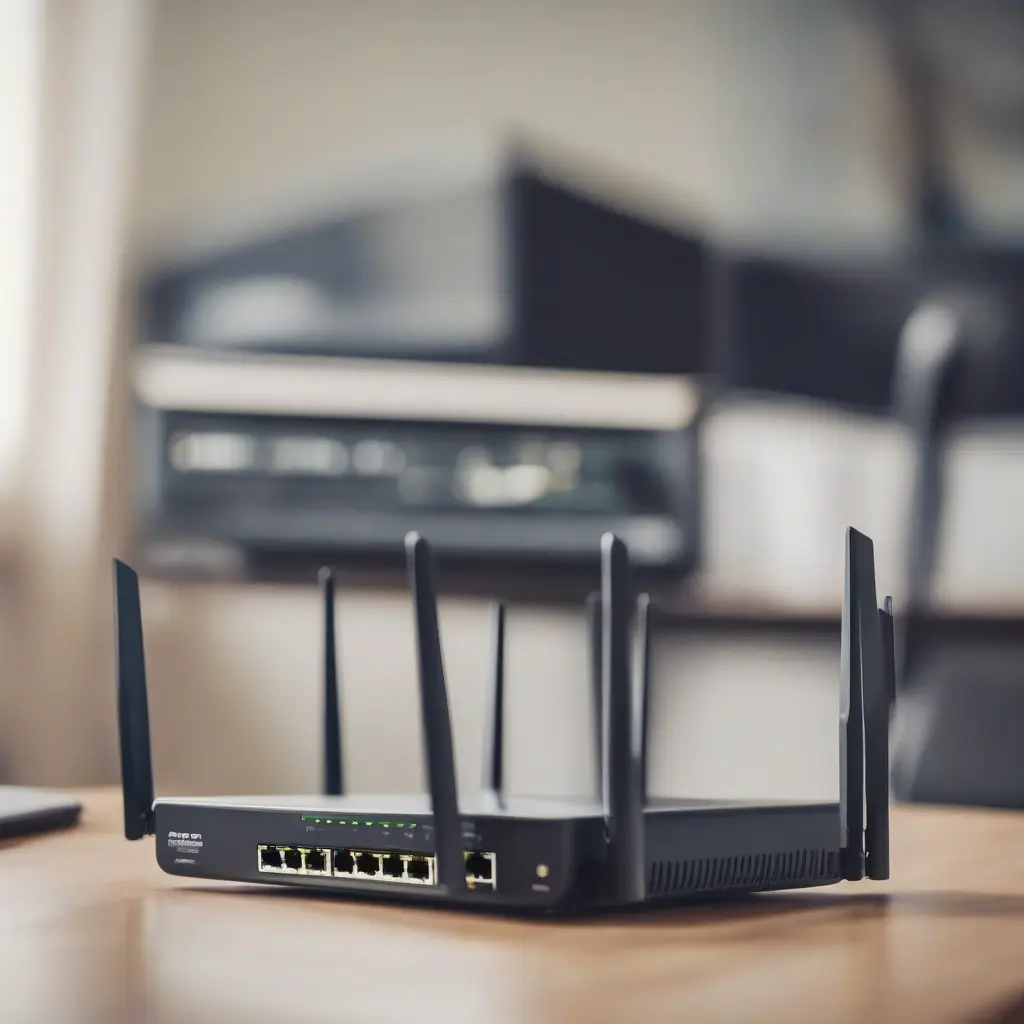
The Internet of Things (IoT) plays a crucial role in the development of smart gardening practices. IoT-enabled devices, such as soil moisture sensors and temperature monitors, collect real-time data to provide insights into growing conditions. These devices communicate this information via the internet, allowing users to make informed decisions regarding their gardens from anywhere. For example, gardeners can adjust irrigation schedules remotely based on weather forecasts, thereby enhancing efficiency and minimizing water waste. The integration of IoT technology fundamentally transforms how gardeners engage with their plants and maintain their gardens.
Smart Irrigation Technologies
Smart irrigation technologies are vital components of smart gardening, focusing on improving water efficiency. Automated irrigation systems utilize weather data and soil moisture sensors to apply water only when necessary. This not only conserves water but also enhances plant health by reducing overwatering and underwatering risks. For instance, drip irrigation systems can deliver water directly to plant roots, promoting healthier growth while minimizing evaporation and runoff. By adopting such technologies, gardeners can significantly reduce their environmental footprint while improving the sustainability of their gardening practices.
Mobile Applications for Garden Management
Mobile applications have emerged as powerful tools for managing gardens efficiently with the help of technology. These apps often provide features like planting calendars, pest identification, and care reminders tailored to specific plant species. They also allow users to input their garden data, enabling personalized growth recommendations. Some applications even offer community features where users can share gardening tips and successes with fellow gardeners. These tools not only streamline garden management but also encourage a sense of community and collective learning among gardening enthusiasts.
Drones in Smart Gardening
Drones are increasingly being utilized in smart gardening to monitor large agricultural areas efficiently. Equipped with cameras and sensors, drones can capture aerial images that provide insights into plant health, soil conditions, and pest infestations. This data enables gardeners and farmers to identify problems early and take corrective action before issues escalate. Additionally, drones can assist in the precision application of fertilizers and pesticides, optimizing their use and reducing chemical runoff. By integrating drone technology, smart gardening practices can significantly enhance agricultural sustainability.
Sustainability Through Vertical Gardens
Vertical gardening is another innovative practice linked to smart gardening that promotes sustainability, especially in urban environments. By growing plants vertically, gardeners can maximize space while reducing their ecological footprint. Vertical gardens often incorporate smart technology that monitors light, water, and nutrient levels, ensuring optimal growth conditions. This method not only allows for efficient land use but also contributes to improved air quality and biodiversity. Urban dwellers can benefit from fresh produce while actively participating in sustainable practices, making vertical gardening a popular choice for modern gardeners.
Sustainable Pest Management Solutions
Smart gardening also includes sustainable pest management solutions that reduce the reliance on chemical pesticides. Technologies such as insect traps, pheromone dispensers, and plant health monitors can help identify pest problems without harming beneficial insects. This integrated pest management approach focuses on maintaining ecological balance while ensuring crops remain healthy. By employing these solutions, gardeners can cultivate their plants in a way that promotes environmental health and biodiversity, aligning with the overarching goals of sustainability in agriculture.
The Benefits of Using Smart Gardening Techniques
Utilizing smart gardening techniques offers numerous benefits, particularly in terms of resource efficiency and crop yield. By relying on data-driven decisions, gardeners can reduce water consumption, decrease reliance on fertilizers, and minimize pest outbreaks. Additionally, the ability to monitor garden conditions remotely enhances convenience, making gardening more accessible to individuals with busy lifestyles. Overall, these techniques not only contribute to personal satisfaction and productivity but also support broader environmental sustainability goals by promoting responsible resource use.
Challenges in Adopting Smart Gardening
Despite the numerous advantages, there are challenges associated with adopting smart gardening technologies. Many gardeners may face high initial costs for purchasing equipment and setting up systems. Additionally, technological literacy can be a barrier for older individuals or those unfamiliar with digital tools. There may also be concerns regarding data privacy and security, particularly when devices are connected to the internet. Addressing these challenges is crucial to ensuring that smart gardening becomes an accessible and widely accepted practice.
The Future of Smart Gardening
The future of smart gardening looks promising as technology continues to advance. Innovations in artificial intelligence and machine learning are poised to further enhance garden management by providing predictive analytics and personalized gardening suggestions. As awareness of sustainable practices grows, the adoption of smart gardening solutions is likely to increase, leading to more responsible agricultural practices. Moreover, urbanization will drive the need for efficient space utilization, making smart gardening not just beneficial but essential for food security and ecological sustainability.
Conclusion
In conclusion, smart gardening exemplifies the powerful intersection of technology and sustainable practices in modern horticulture. By harnessing innovative tools like IoT devices, drones, and mobile applications, gardeners can optimize their gardening efforts in a resource-efficient manner. As society increasingly prioritizes sustainability, embracing smart gardening techniques can lead us toward a greener future, ensuring food security while protecting the environment.