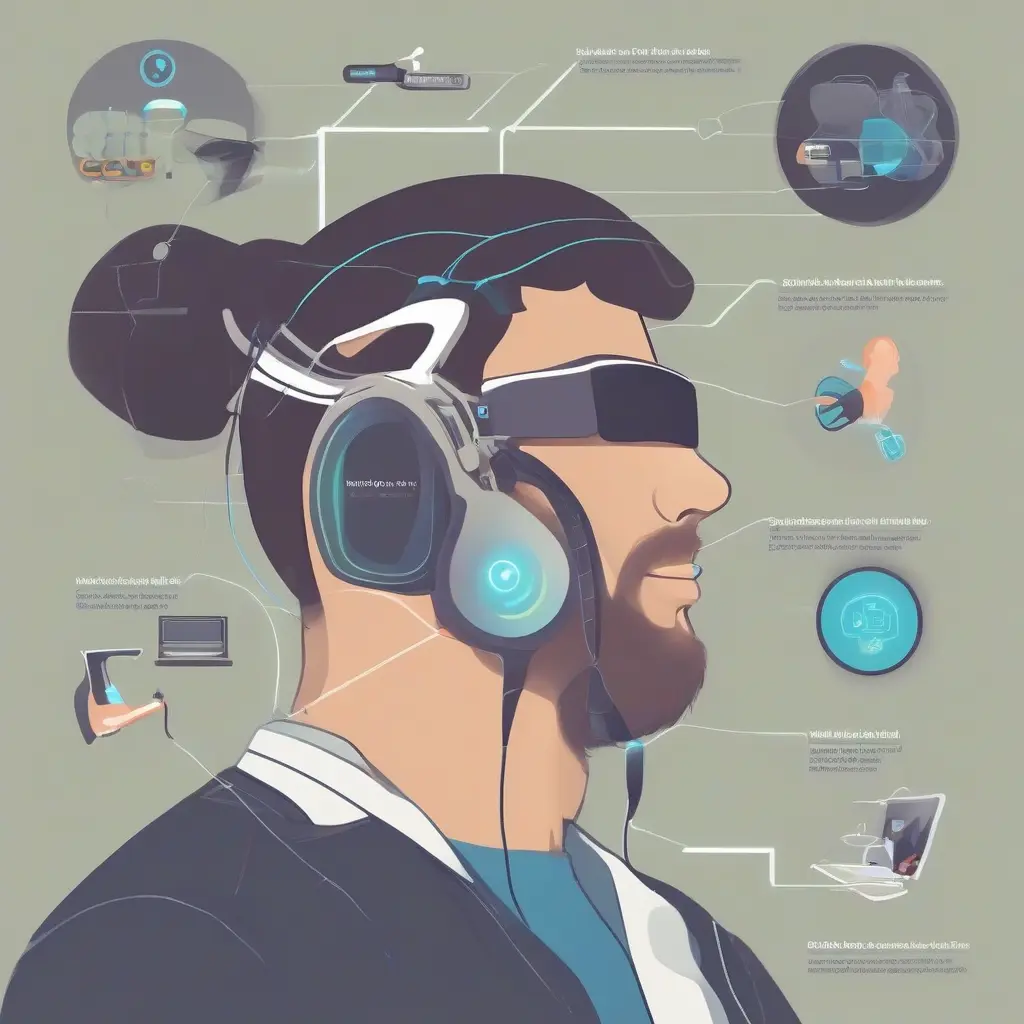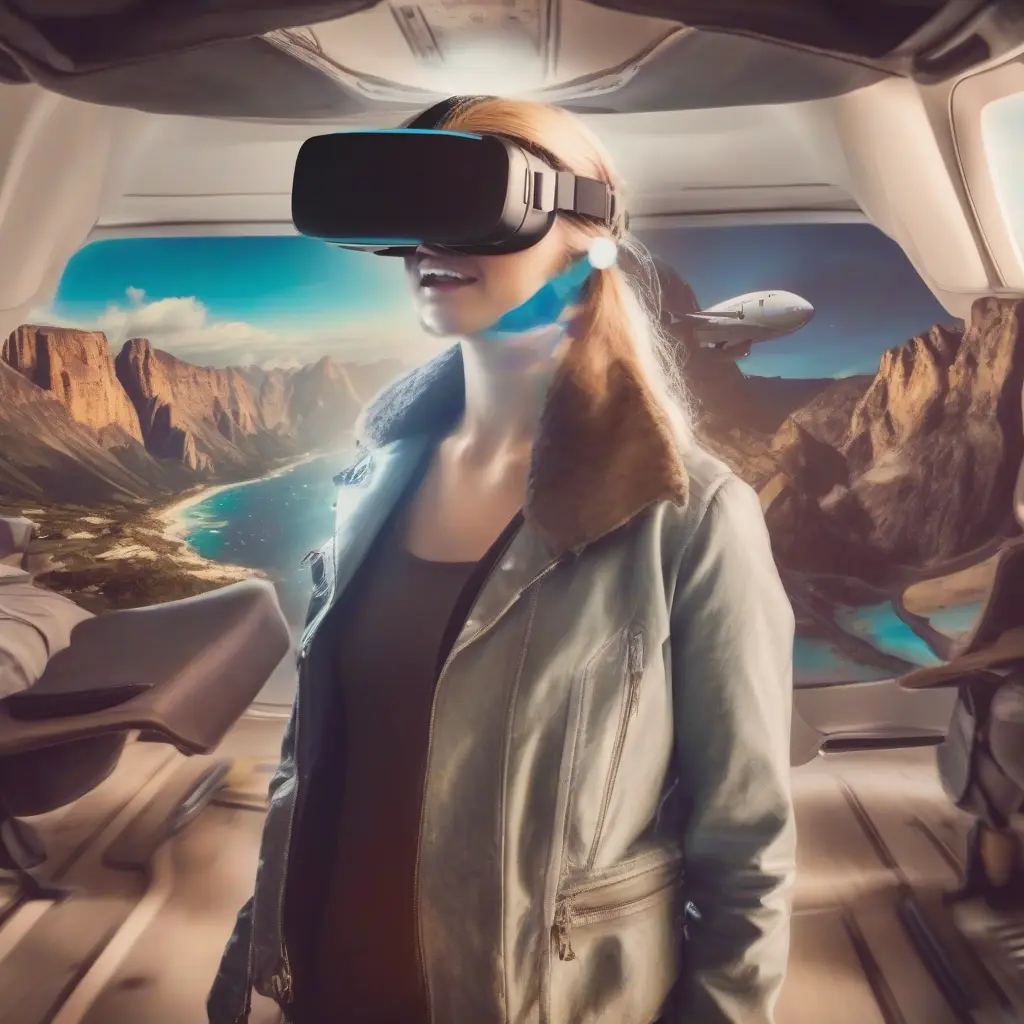
Virtual reality (VR) is revolutionizing the way we experience travel by providing immersive environments that enhance both preparation and exploration. With advancements in technology, VR has emerged as a tool that not only offers virtual tours but also allows users to visualize destinations before booking. This technology bridges the gap between imagination and reality, enabling travelers to make informed decisions. As VR continues to evolve, it reshapes the future of travel, offering endless possibilities for both leisure and business travelers.
Understanding Virtual Reality in Travel
Virtual reality is a computer-generated simulation of a three-dimensional environment that users can interact with using special equipment like VR headsets. In the travel industry, VR allows users to explore destinations virtually, providing a preview of experiences without physically being there. This technology captures high-resolution imagery and creates realistic environments that can simulate everything from scenic vistas to bustling cityscapes. By offering this immersive experience, VR helps users assess whether a location aligns with their travel desires.
Enhancing Trip Planning Processes
Planning a trip can often be overwhelming, but virtual reality simplifies this process significantly. Travelers can use VR to explore hotels, attractions, and the local environment, allowing them to make choices based on visual and sensory experiences rather than mere text descriptions. By interacting with virtual spaces, potential tourists can evaluate layouts, aesthetics, and atmospheres, ultimately leading to more satisfying travel plans. This immersive planning method can also save time and decrease the chances of unpleasant surprises upon arrival.
Transformative Travel Experiences
Virtual reality is not just about planning; it also transforms the way we experience travel. Through VR-powered applications, users can take guided tours of historical sites, natural wonders, and cultural landmarks from the comfort of home. This immersion helps deepen understanding and appreciation of diverse cultures and locations. By simulating real-world conditions and providing contextual background, travelers can engage with new destinations in a profound ways, potentially altering their future travel choices.
Overcoming Accessibility Challenges
For some individuals, physical limitations can hinder their ability to travel. Virtual reality offers a solution by creating accessible travel experiences for those who may be unable to visit certain locations in person. By allowing users to virtually experience destinations, VR democratizes travel, ensuring everyone has the opportunity to explore and enjoy diverse cultures. This can include providing experiences tailored for seniors or individuals with disabilities, thus fostering inclusivity within the travel industry.
Innovations in Virtual Reality Technology
The technology behind virtual reality is rapidly evolving, leading to more seamless and immersive experiences. Innovations such as 360-degree video and interactive storytelling are enhancing how users engage with virtual environments. As hardware advances, VR headsets become lighter and more user-friendly, removing previous barriers to entry. This evolution not only improves the quality of experiences but also broadens the audience, attracting not only avid travelers but also those seeking unique, virtual escapades.
Integration with Other Technologies
Virtual reality is increasingly integrated with other emerging technologies, such as augmented reality (AR) and artificial intelligence (AI), creating a more holistic travel experience. This integration enhances personalization by tailoring content based on user preferences and behaviors. For example, AI can recommend virtual experiences based on previous engagements, making explorations even more relevant. Additionally, combining VR with AR can offer real-time overlays of information, enriching the user experience both virtually and in real-world interactions.
The Role of Virtual Reality in Tourism Marketing
Tourism agencies are leveraging virtual reality as a powerful marketing tool to attract potential travelers. By providing immersive previews of destinations, agencies can evoke emotional connections with prospective tourists. Such marketing strategies not only inform travelers but also inspire them to make bookings based on their engaging experiences. By utilizing VR, tourism boards can showcase local highlights and distinct attractions, increasing visibility and interest while ensuring that travelers arrive with enthusiasm and excitement.
Challenges and Limitations of Virtual Reality in Travel
Despite its potential, virtual reality in travel still faces challenges and limitations. Technical barriers such as high development costs and the need for specialized equipment can limit accessibility for some consumers. Additionally, the quality of VR experiences can vary significantly, leading to potential dissatisfaction if expectations are not met. Furthermore, while VR can enhance experiences, it cannot fully replicate the emotional and sensory aspects of being physically present in a location, which may leave some users wanting more.
Future of Virtual Reality in Travel
As technology advances, the future of virtual reality in the travel sector looks promising. We can expect refined experiences, higher quality visuals, and even more interactive environments. Innovations like haptic feedback, which simulates touch, could enhance immersion further, making virtual travels feel increasingly real. Moreover, as more travel providers adopt VR into their strategies, travelers can anticipate more creative and customized offerings, ultimately transforming how the world interacts with various destinations.
Conclusion
In conclusion, virtual reality is fundamentally changing the travel landscape, offering innovative ways to plan, experience, and appreciate travel. Its ability to immerse users in realistic environments makes it an essential tool not only for travelers but also for the tourism industry. As advancements continue to unfold, the integration of VR into every aspect of travel is likely to enhance enjoyment, accessibility, and understanding, ushering in a new era where the boundaries of travel are redefined.