
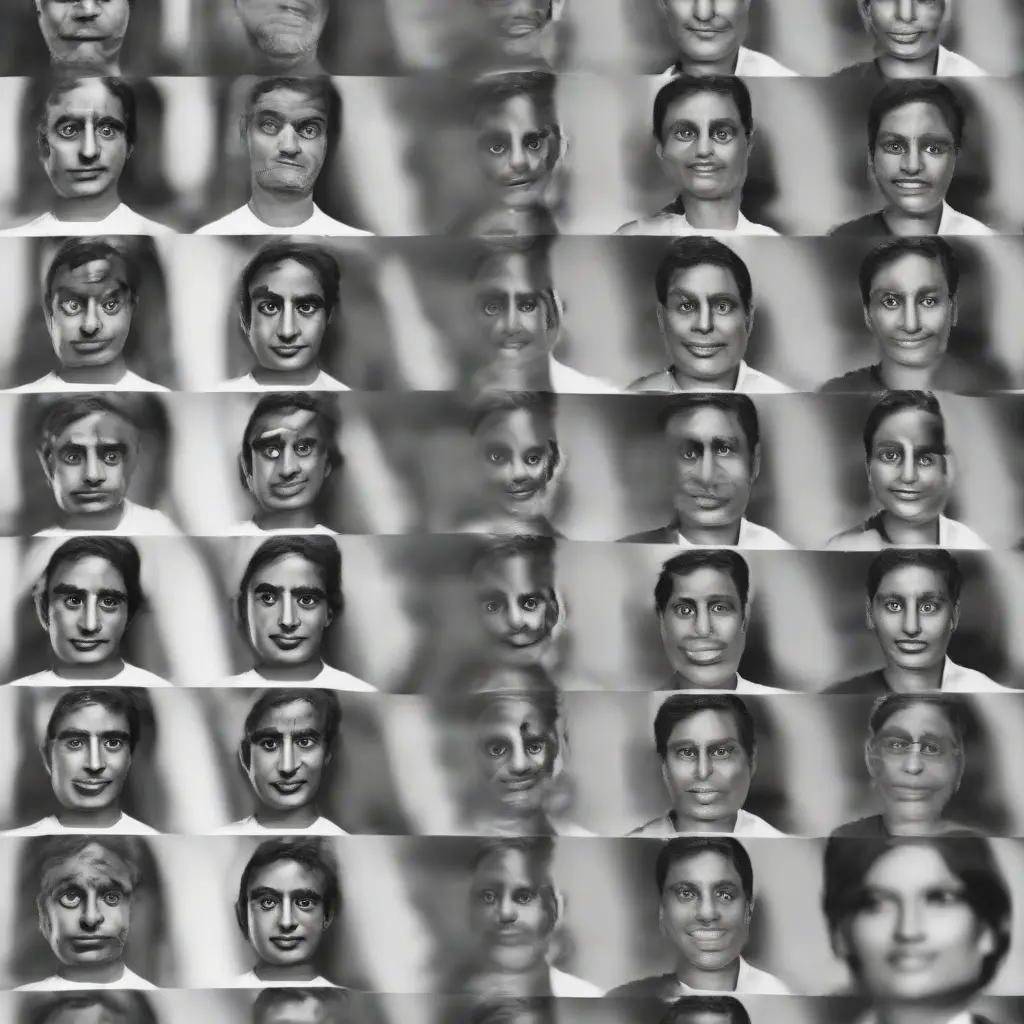
Deepfake technology is rapidly evolving and poses significant risks, especially in the digital landscape of India. As deepfakes become more sophisticated, many users find it challenging to identify manipulated content. This article aims to equip users with essential strategies and awareness to spot and avoid deepfake technology. Understanding the implications and recognizing the warning signs can empower individuals to navigate digital spaces more safely. By enhancing digital literacy on this topic, Indian users can reduce risks related to misinformation and cyber threats.
Understanding Deepfake Technology
Deepfake technology utilizes artificial intelligence to create realistic-looking videos that can swap faces or manipulate voices. This intersection of AI and machine learning enables users to create content that, at first glance, appears genuine. For Indian users, the applicability of deepfake technology has raised concerns, specifically in the realms of misinformation and online bullying. Familiarizing oneself with how deepfakes are created can help in understanding their potential impact, and it is crucial for users to stay one step ahead in recognizing these digital alterations.
How Deepfakes Are Created
Creating deepfakes typically involves training algorithms on large datasets of images and videos. These algorithms learn to mimic facial movements and voice patterns accurately, enabling them to produce convincing simulations. Often, the output can be so lifelike that users might be unable to discern authenticity without careful scrutiny. For Indian users, awareness of the potential methods used to generate deepfakes is vital, as it emphasizes the importance of verifying sources and challenging the credibility of sensational online content.
Recognizing Warning Signs of Deepfakes
Identifying deepfakes requires vigilance and knowledge of common indicators. Look for unnatural facial movements, inconsistent lighting, or mismatched audio and lip-syncing. Additionally, if a video appears overly dramatic or involves extreme claims without credible backing, it could be a deepfake. For Indian users, scrutinizing videos shared on social media platforms can help mitigate the risk of falling for manipulated content. Being aware of these red flags is a critical defense against misinformation.
The Role of Context in Deepfake Identification
Contextual understanding is a powerful tool in the identification of deepfakes. Assessing the surrounding content can provide clues about authenticity. If a video or audio clip is presented without its original context or is shared among dubious sources, this could signal a deeper issue. For Indian users, familiarizing themselves with reputable online platforms can guide them in verifying information. Context not only helps identify potential deepfakes but also fosters critical thinking in consuming digital media.
The Impact of Deepfakes on Society
Deepfakes can have serious implications for society, from spreading misinformation to impacting personal reputations. In India, where misinformation can contribute to social unrest, understanding the ramifications of deepfakes is essential. These manipulations can be leveraged in political disinformation campaigns, potentially altering public perception and judgment. Acknowledging the societal impact fosters responsible digital engagement and encourages collective vigilance against such deceptive practices.
Legal Framework Around Deepfake Technology in India
Currently, the legal framework addressing deepfake technology in India is still evolving. While there are laws concerning cybercrime and defamation, specific regulations targeting deepfakes require further development. The Indian government is increasingly aware of the challenges posed by manipulated content, sparking discussions about possible laws and guidelines to protect citizens. Understanding the legal landscape can empower users to report and take action against malicious deepfake content more effectively.
Tips for Protecting Yourself from Deepfakes
To safeguard against deepfakes, it’s essential to develop a cautious and analytical approach when consuming media online. Users should verify the authenticity of any content by checking multiple sources or using fact-checking websites. Additionally, encouraging discussions about digital literacy within communities can strengthen awareness and defense against deepfake technology. For Indian users, cultivating a sense of responsibility in information-sharing processes plays a vital role in combating the spread of deepfakes.
The Future of Deepfake Technology
As technology advances, deepfakes will likely become even more realistic and challenging to detect. This evolution calls for continuous educational efforts and advocacy for responsible AI usage. In India, fostering awareness and developing tools for deepfake identification can help individuals become more resilient to misinformation. Users need to stay informed about technological advancements while supporting initiatives aimed at combatting the negative aspects of deepfake creation and distribution.
Conclusion
The rise of deepfake technology represents a significant challenge in today’s digital age, particularly for Indian users navigating an evolving landscape of misinformation. By cultivating an awareness of how deepfakes are created and recognizing the warning signs, users can better protect themselves against potential threats. Utilizing critical thinking and validating information before sharing ensures a safer digital environment. Emphasizing the importance of digital literacy is vital in fostering informed online communities.