
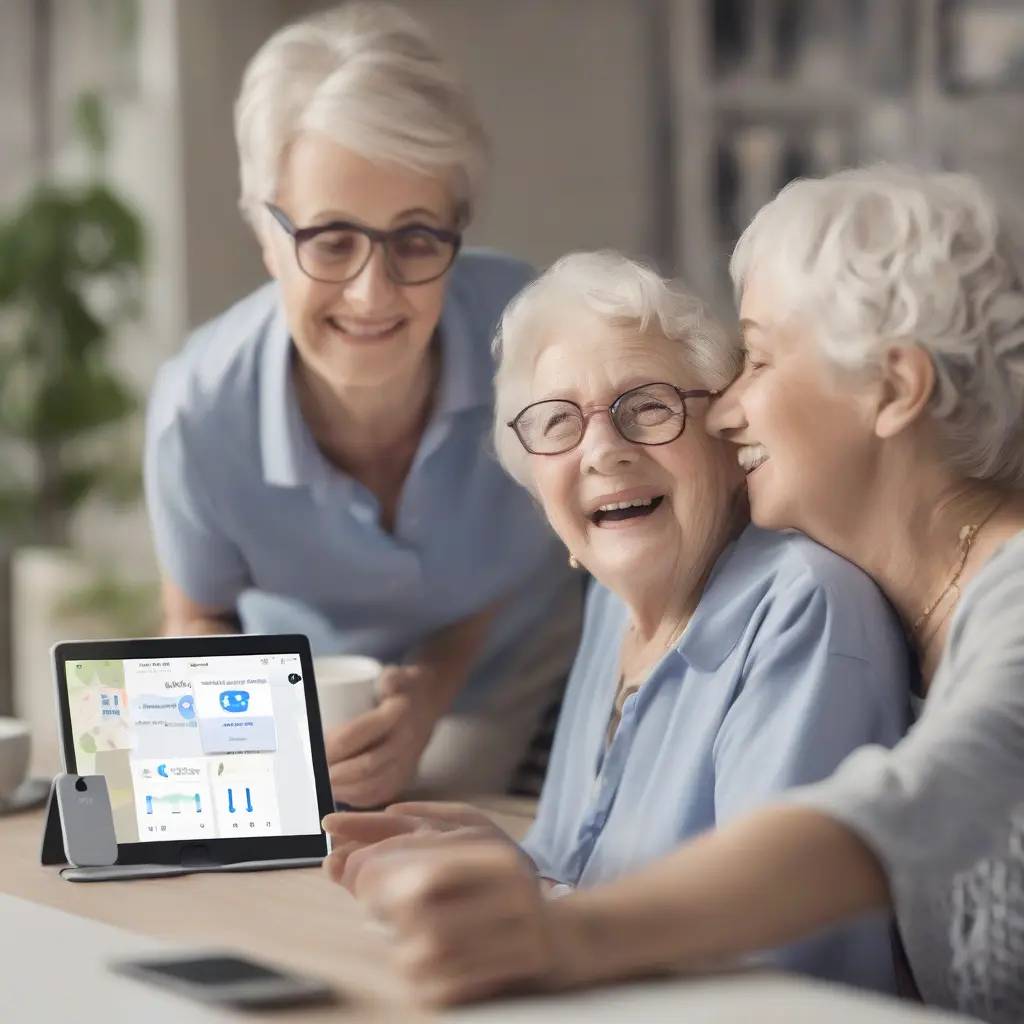
Smart assistants have become essential tools for enhancing the daily lives of seniors, providing support in various activities and ensuring safety. These technologies help maintain independence by streamlining daily tasks and offering constant assistance, especially in emergencies. From voice-activated devices to advanced monitoring systems, smart assistants not only simplify everyday routines but also empower seniors to engage with technology in a meaningful way. Understanding their capabilities can illuminate how these tools bridge the gap between independence and safety, providing seniors with a sense of security and confidence.
Voice Activation and Easy Interaction
One of the most significant advantages of smart assistants is their voice activation feature, which simplifies technology interaction for seniors. Many smart devices, such as Amazon Echo and Google Nest, respond to voice commands, allowing users to make requests without needing to navigate complex interfaces. This feature is especially beneficial for those with mobility or vision challenges, making it easier for seniors to access information, control smart home devices, or even make phone calls. By removing barriers to technology use, these voice-activated assistants enhance independence and confidence in daily living.
Medication Reminders and Health Management
Smart assistants play a crucial role in medication management by providing timely reminders that help seniors adhere to their prescribed routines. With simple voice commands, users can set alerts for taking medications at specific times, ensuring they do not miss a dosage. This capability contributes significantly to better health outcomes, as consistent medication intake is vital for managing chronic conditions. Furthermore, some smart assistants can even connect to healthcare applications, allowing seniors to track their medication schedules and health metrics, making it easier for them to stay engaged with their health.
Emergency Assistance and Safety Monitoring
In emergencies, smart assistants can provide immediate help, offering peace of mind to seniors and their families. Many devices come equipped with emergency contact features that allow users to call for assistance simply by stating their needs. Additionally, some systems can detect falls or unusual activity patterns, automatically alerting caregivers or emergency services if needed. This proactive monitoring significantly enhances safety for seniors living alone, ensuring that help is just a command away, thus fostering a secure living environment.
Home Automation for a Comfortable Living Environment
Smart assistants can integrate home automation features, allowing seniors to control lighting, temperature, and appliances using their voices. This level of control not only enhances comfort but also promotes energy efficiency within the home. For instance, seniors can adjust their home’s lighting from anywhere, reducing the risk of accidents in poorly lit areas. Moreover, automating tasks like adjusting thermostats can help maintain optimal living conditions without requiring physical effort, which is especially beneficial for those with mobility limitations.
Social Connectivity and Relationship Maintenance
Maintaining social connections is vital for mental well-being, and smart assistants facilitate this by enabling easy communication with family and friends. Seniors can make phone calls, send messages, or even participate in video chats through voice commands, breaking down barriers to communication. Many devices provide features that allow users to send photos or reminders to loved ones, increasing engagement and connection. This newfound ease of communication helps combat feelings of isolation, making technology a valuable ally in fostering relationships.
Customized Information and Entertainment Access
Smart assistants provide seniors with easy access to customized information and entertainment options, enhancing their quality of life. Users can request news updates, weather forecasts, and information on various topics simply by asking. Additionally, these devices offer streaming services for music, audiobooks, and podcasts, creating opportunities for leisure and relaxation. This access to personalized content ensures that seniors remain informed and entertained, contributing to their overall mental and emotional well-being.
Learning and Adapting to User Needs
Modern smart assistants leverage artificial intelligence to learn user preferences and adapt to their needs over time. This adaptability allows these devices to become more intuitive, providing personalized assistance based on past interactions. For seniors, this means that the technology can better respond to their individual routines and preferences, facilitating a seamless user experience. As these devices gather information about habits and preferences, they can deliver more relevant support and improve their effectiveness in assisting daily routines.
Challenges and Considerations for Seniors
While smart assistants offer numerous benefits, there are challenges and considerations to keep in mind for seniors. Some may feel overwhelmed by technology or hesitant to adopt new devices. Additionally, privacy concerns regarding data security and surveillance can pose challenges. To address these issues, it is essential that families and caregivers provide adequate support and education on using smart assistants. By ensuring that seniors feel comfortable and secure with the technology, families can help unlock its full potential for enhancing daily living.
Conclusion
In conclusion, smart assistants are transforming how seniors approach daily living and safety monitoring, significantly enhancing their quality of life. By providing voice-activated support, health management tools, and emergency assistance, these devices promote independence and security. As technology continues to evolve, it is crucial for caregivers and families to facilitate the integration of smart assistants into seniors’ lives, ensuring they can reap the benefits of such innovations while overcoming challenges and gaining confidence in their use.