
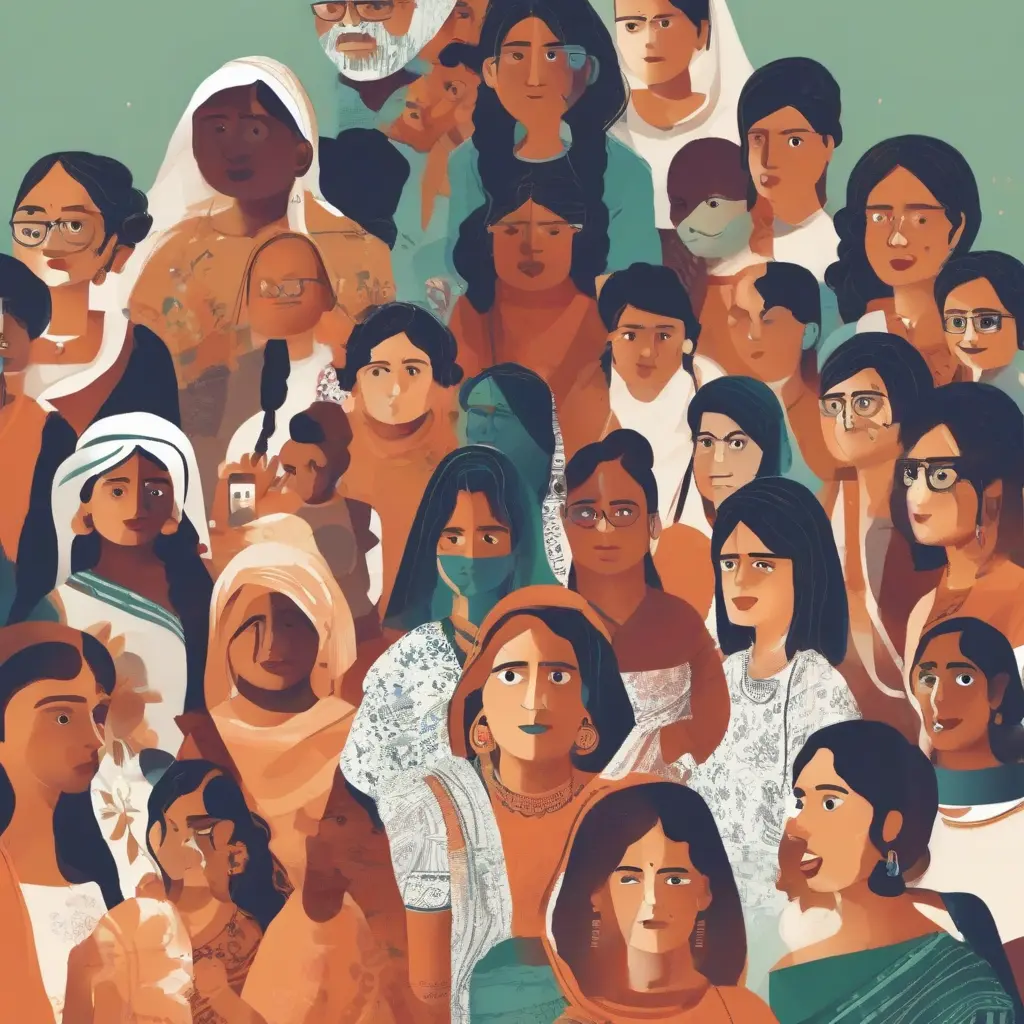
As technology continues to progress, issues surrounding digital racial and gender bias have garnered significant attention, particularly in a diverse nation like India. Users face challenges where algorithms may inadvertently favor certain demographics over others, thereby perpetuating existing social inequalities. This article aims to shed light on the nuances of digital bias and provide users with the knowledge to navigate these complexities. Understanding this phenomenon is crucial for fostering an inclusive digital space that serves all individuals fairly, regardless of their race or gender.
Understanding Digital Bias
Digital bias occurs when technology, particularly algorithms and automated systems, exhibits favoritism towards specific groups. This can happen due to historical data sets that reflect societal prejudices, thus influencing algorithms to replicate these biases. For instance, if a training dataset predominantly includes a certain demographic, the resulting model may perform poorly for underrepresented groups. Recognizing how digital bias manifests is crucial for users to navigate the online landscape more effectively and demand accountability from technology providers.
The Impact of Racial Bias in Technology
Racial bias in technology can adversely affect various domains, including employment opportunities, law enforcement, and social media interactions. In India, where multiculturalism is deeply rooted, the consequences of such biases can be especially pronounced. Algorithms that filter resumes might unfairly disadvantage applicants from specific backgrounds, while facial recognition systems may perform inadequately for individuals of certain ethnicities. Acknowledging these challenges is vital for users to advocate for fairer, more representative algorithms that reflect India’s rich diversity.
Gender Bias in Digital Spaces
Gender bias in digital technologies can lead to significant disparities in user experiences and opportunities. In online platforms, women and non-binary individuals may face harassment or biased content moderation that harms their participation. For instance, algorithms can generate search results that prioritize male-centric content, inadvertently sidelining relevant information for marginalized genders. Users must understand these biases to select equitable platforms and contribute to discussions advocating for inclusive practices in technology development.
Awareness of Algorithmic Transparency
Algorithmic transparency refers to the ability to understand how algorithms function and make decisions. As digital products become increasingly integrated into everyday life, it is essential for users to demand transparency from companies. This means asking questions about data sources, how algorithms are trained, and the measures taken to ensure fairness. Improved transparency can empower users to make informed choices and hold technology providers accountable, fostering a more equitable digital environment.
The Role of Digital Literacy
Digital literacy encompasses the skills needed to effectively engage with technology and critically assess online information. For users in India, enhancing digital literacy is key to combating racial and gender bias. By understanding how to analyze algorithms and scrutinize sources, individuals can better identify biased outcomes and advocate for change. Educational initiatives, workshops, and robust online resources can support users in gaining the knowledge required to navigate digital spaces responsibly.
Advocating for Inclusive Design
Inclusive design is an approach focused on creating products accessible and beneficial to diverse user groups. Advocating for this principle involves encouraging companies to involve underrepresented communities in the design process. By incorporating various perspectives, developers can work towards minimizing biases in their products. Users should actively support brands and tech solutions that prioritize inclusivity, bearing in mind that equitable design creates better outcomes for all.
Recognizing Your Digital Footprint
Being aware of one’s digital footprint is essential in understanding how personal data is collected and used online. Users should familiarize themselves with the implications of their online behavior, including the risk of algorithmic profiling that may reinforce biases. By critically evaluating privacy settings and data-sharing practices, users can take control of their online presence. This proactive approach empowers individuals, allowing them to protect themselves from potential biases perpetuated by data exploitation.
Engagement with Advocacy Groups
Engaging with advocacy groups focused on digital rights can amplify discussions surrounding racial and gender bias. Many organizations work tirelessly to promote awareness and accountability in the tech industry. By participating in or supporting these groups, users can contribute to a collective voice demanding systemic change. In India, numerous initiatives focus on harnessing technology for social equity, enabling individuals to become informed advocates for a more just digital future.
Monitoring Legislative Developments
Staying informed about legislative developments concerning digital rights, data privacy, and anti-discrimination policies is essential. As the governmental framework evolves, individuals can participate in public discourse and influence policy changes that promote equality. Users should actively follow relevant news and consider joining forums where digital rights are a focus. Engaging with local and national policymakers ensures that the conversation around digital bias remains alive and relevant.
Conclusion
Addressing digital racial and gender bias requires a concerted effort from users, technology providers, and policymakers alike. By fostering awareness, promoting transparency, and advocating for inclusive design, individuals can contribute to a more equitable digital ecosystem. Empowering oneself with knowledge is pivotal in navigating these challenges, allowing users in India to engage in the digital world more responsibly and effectively.