
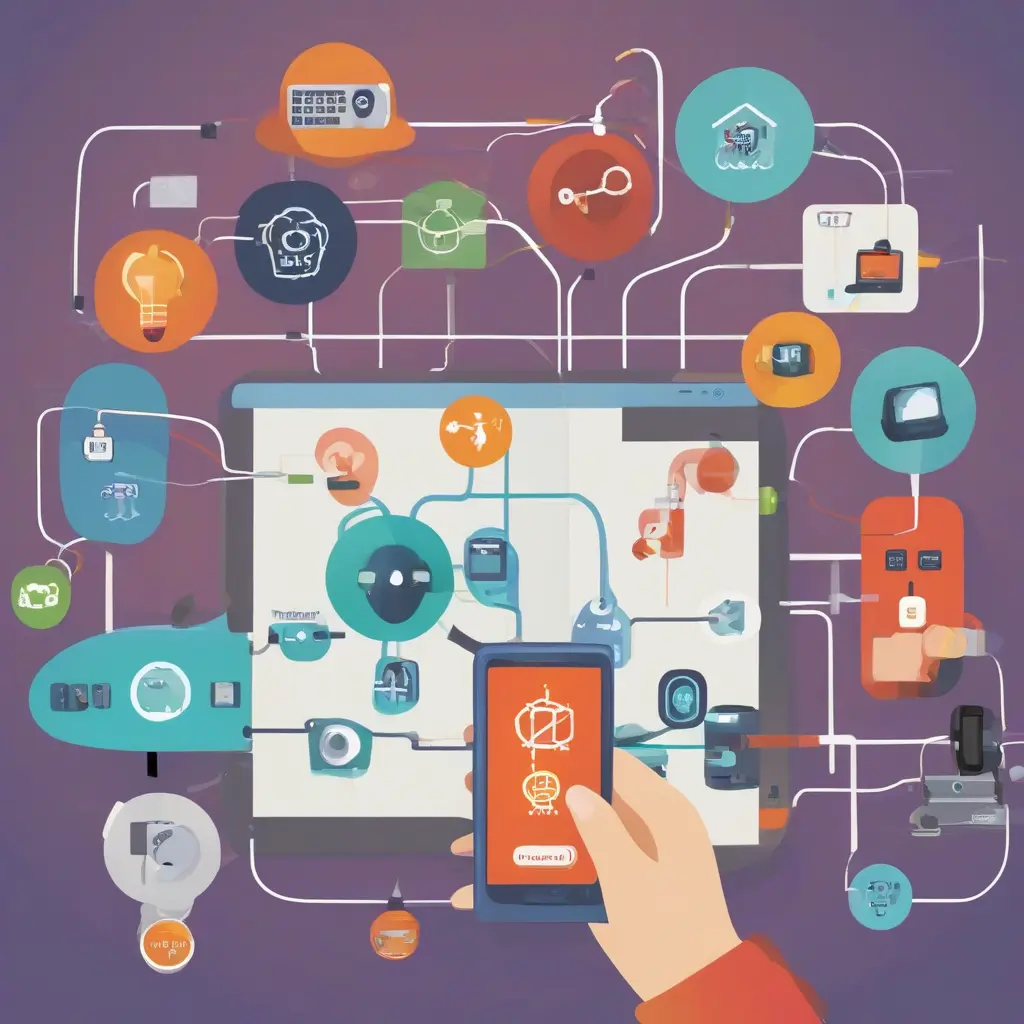
The Internet of Things (IoT) has transformed the way we interact with technology in our daily lives. IoT devices, which connect to the internet and communicate with each other, have enabled significant advancements in convenience, efficiency, and data collection. From smart home gadgets to wearables, these devices are increasingly prevalent, enriching our environments and enhancing our everyday experiences. This complete guide will delve into the world of IoT devices, discussing their definitions, functionalities, and various uses in our daily routines.
What Are IoT Devices?
IoT devices refer to physical objects embedded with sensors, software, and other technologies that enable them to connect and exchange data over the internet. This includes a wide range of products such as smart thermostats, wearable fitness trackers, and smart appliances. By integrating with the internet, these devices can gather information, send alerts, and even automate processes. The key characteristic of IoT devices is their ability to communicate with each other and with central systems, making them integral components of smart ecosystems.
Types of IoT Devices
There are several types of IoT devices, each designed for specific applications. Consumer IoT devices include smart home systems, health monitoring devices, and personal assistants like Amazon Echo and Google Home. Industrial IoT devices focus on enhancing efficiency in manufacturing and logistics, employing sensors to monitor machinery and supply chain activities. Additionally, smart cities utilize IoT technologies for traffic management, waste reduction, and improved public safety. Understanding these categories helps in grasping the broader impact of IoT on various sectors.
Benefits of IoT Devices
IoT devices offer numerous benefits that enhance both personal and professional lives. They improve efficiency through automation, allowing users to control various aspects of their environment seamlessly. In a smart home, for example, you can adjust the temperature, manage lighting, and even monitor security from a mobile app. Furthermore, IoT devices provide real-time data analysis, which can lead to informed decisions in industries ranging from healthcare to agriculture. This data-driven approach helps optimize processes, reduce costs, and increase productivity.
IoT in Smart Homes
Smart homes represent one of the most recognized applications of IoT technology, where devices enhance living conditions through automation and connectivity. Smart thermostats, lighting systems, and security cameras are designed to communicate with each other and can be controlled remotely. Homeowners can monitor energy usage, adjust settings, and receive alerts via mobile applications. This interconnectedness not only contributes to comfort and convenience but also promotes energy efficiency and safety.
Wearable IoT Devices
Wearable IoT devices, such as fitness trackers and smartwatches, have significantly impacted personal health management. These devices collect data related to physical activity, heart rate, and sleep patterns, providing users with insights into their well-being. They often integrate with mobile applications that help analyze this data and set health goals. The convenience of having fitness monitoring directly on your wrist encourages users to develop healthier habits and remain motivated in their fitness journeys.
IoT in Healthcare
The integration of IoT in healthcare has revolutionized patient monitoring and management. Devices like remote health monitoring tools and smart medical devices enhance the ability to track patient vitals in real time. This not only facilitates timely interventions but also improves patient outcomes by enabling healthcare providers to deliver personalized care. Moreover, the data collected from these devices contribute to research and the development of more effective treatments, showing the vast potential of IoT in improving healthcare.
Challenges of IoT Devices
Despite their benefits, IoT devices also face significant challenges, particularly concerning security and privacy. The vast amount of data collected and transmitted by these devices exposes users to vulnerabilities, including unauthorized access and data breaches. Additionally, the integration of various devices from different manufacturers can lead to compatibility issues and inconsistent standards. Addressing these challenges is crucial for ensuring the safety and reliability of IoT technology as it continues to evolve.
Future of IoT Technology
The future of IoT technology looks promising, with advancements in artificial intelligence (AI), machine learning, and big data analytics contributing to its evolution. As IoT devices become more sophisticated, they will offer increased automation, improved user interaction, and better decision-making capabilities. Additionally, the growing focus on sustainability and energy efficiency will likely drive innovations in IoT applications, resulting in smarter homes, cities, and industries that are both effective and eco-friendly.
Conclusion
In summary, IoT devices are rapidly changing the landscape of everyday life by enhancing convenience, monitoring health, and improving efficiencies across various sectors. Their ability to collect and share data offers significant advantages but also presents challenges that need to be addressed. As technology continues to advance, understanding IoT’s potential and implications will be vital for maximizing its benefits while ensuring user security and privacy.