
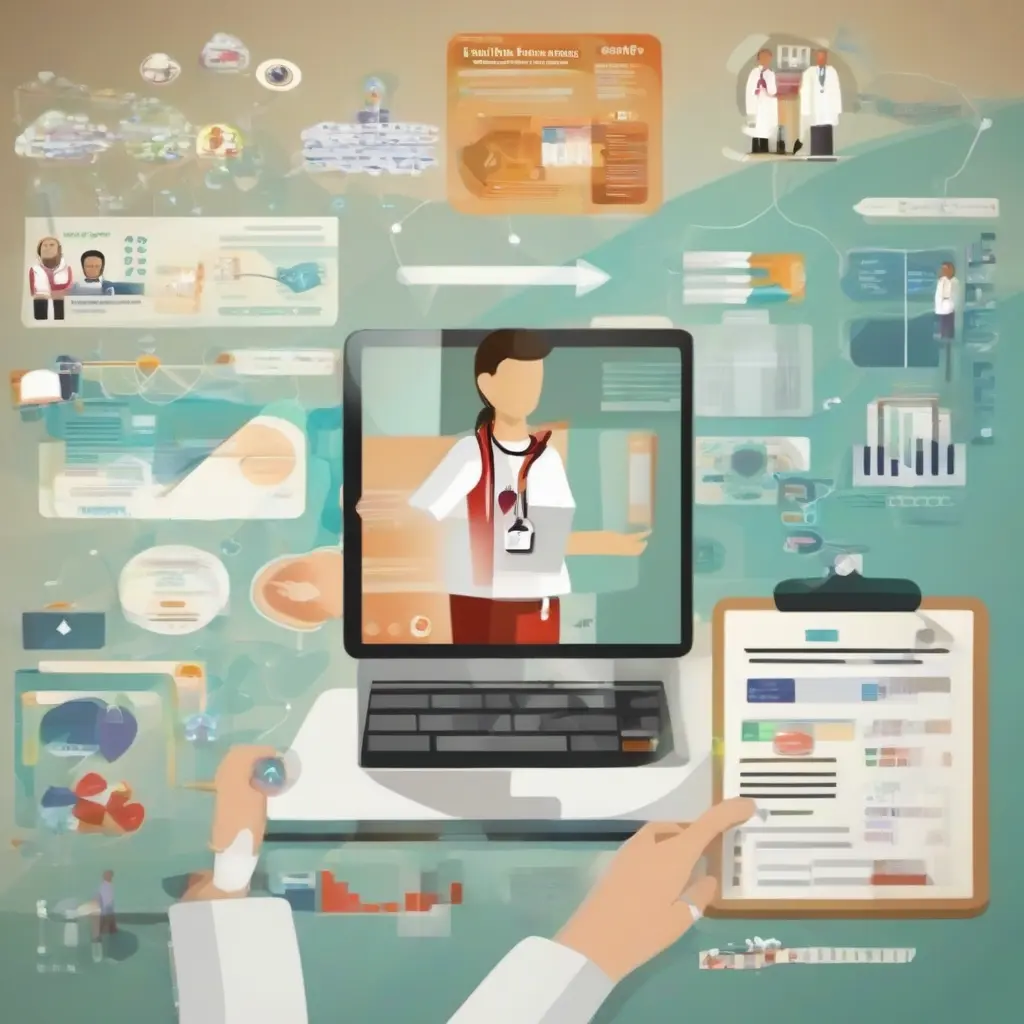
The advent of e-health records has profoundly reshaped the landscape of patient care in India, significantly enhancing operational efficiency and healthcare delivery. E-health records streamline the processes involved in documenting and managing patient information, making it more accessible for healthcare professionals and patients alike. The integration of digital solutions in healthcare not only minimizes errors associated with paper records but also promotes better coordination among various healthcare providers. This article delves into the various dimensions of e-health records, exploring their impact on patient care, healthcare efficiency, and the overall landscape of Indian healthcare.
What Are E-Health Records?
E-health records, often referred to as electronic health records (EHRs), are digital versions of patients’ paper charts. They contain comprehensive data about a patient’s medical history, diagnoses, medications, treatment plans, and test results. In contrast to traditional records, EHRs offer dynamic interfaces that allow for easy updates and data retrieval. They are designed to be shared across different healthcare settings, ensuring that providers have access to current patient information. This interoperability enhances the quality of care patients receive, as providers can work with accurate and up-to-date information at all times.
Enhancing Patient Care Through E-Health Records
One of the primary benefits of e-health records is the enhancement of patient care. EHRs enable healthcare providers to access complete patient histories, facilitating informed decision-making during medical consultations. For instance, having instant access to a patient’s allergies and previous diagnoses allows doctors and nurses to avoid potential adverse reactions and provide tailored treatments. Furthermore, EHRs streamline the referral process between specialists, thereby improving the continuity of care. As a result, patients experience fewer delays and more effective treatments, ultimately leading to better health outcomes.
Improving Efficiency in Indian Healthcare
E-health records play a crucial role in improving the efficiency of healthcare delivery in India. By automating administrative tasks such as appointment scheduling and billing, EHRs reduce the time staff spend on these functions. This allows healthcare professionals to focus more on patient interaction rather than paperwork. Additionally, the centralized storage of data eliminates redundancies and minimizes the likelihood of lost records, which can delay treatments. As healthcare systems in India aim to serve a large population, streamlining operations through EHRs has become increasingly essential in addressing the growing demand for healthcare services.
Data Security and Privacy Concerns
Despite the numerous benefits, e-health records also present challenges, particularly in relation to data security and patient privacy. Health records contain sensitive information that, if compromised, can lead to severe breaches of confidentiality. Therefore, implementing robust cybersecurity measures is imperative to safeguard patient data. In India, regulatory frameworks are beginning to take shape to address these issues, emphasizing the importance of encryption, access controls, and regular audits. By prioritizing data security, healthcare providers can enhance patient trust in digital systems.
Integration with Telehealth Services
The rise of telehealth services during the pandemic has also highlighted the importance of e-health records. Integrating EHRs with telehealth platforms ensures that healthcare providers have access to vital patient information, even during virtual consultations. This integration enables seamless communication between patients and providers, allowing for comprehensive evaluations, immediate prescription updates, and follow-up care recommendations. As telehealth continues to evolve in the Indian healthcare system, the collaboration with EHRs will be crucial in delivering efficient and quality care.
Challenges in Implementation
Implementing e-health records in India is not without its challenges. One significant hurdle is the digital divide, particularly in rural areas where access to technology and internet connectivity can be limited. Moreover, training healthcare professionals to effectively use EHR systems requires investment and commitment. Resistance to change is another challenge, as some practitioners may be hesitant to transition from paper-based systems. Addressing these challenges is critical to ensuring that the benefits of e-health records can be realized across diverse healthcare settings.
Future Prospects of E-Health Records
The future of e-health records in Indian healthcare appears promising, with ongoing advancements in technology and infrastructure. Innovations such as artificial intelligence and machine learning are expected to enhance EHR functionalities, providing more refined analytics and insights. This will facilitate predictive healthcare, enabling providers to anticipate patient needs and improve preventive care strategies. Additionally, the government’s push for digital health initiatives indicates a commitment to expanding the reach and effectiveness of EHR systems, potentially transforming the entire healthcare landscape in India.
Case Studies: Successful Implementation
Numerous hospitals and clinics in India have successfully implemented e-health record systems, showcasing their effectiveness in improving care quality and operational efficiency. For example, some leading hospitals have reported a significant reduction in medication errors and improved patient satisfaction rates post-EHR adoption. These case studies serve as valuable models for other healthcare facilities, illustrating not only the potential benefits but also best practices for overcoming challenges associated with implementation. These real-world examples underline the transformative capabilities of e-health records in providing superior patient care while optimizing resource management.
Conclusion
In conclusion, the adoption of e-health records is revolutionizing patient care and operational efficiency in Indian healthcare. While challenges remain, the benefits far outweigh the drawbacks, making a strong case for the continued integration of digital solutions. By prioritizing data security and investing in training, the Indian healthcare system can fully harness the potential of e-health records, paving the way for enhanced patient experiences and better health outcomes across the country.