
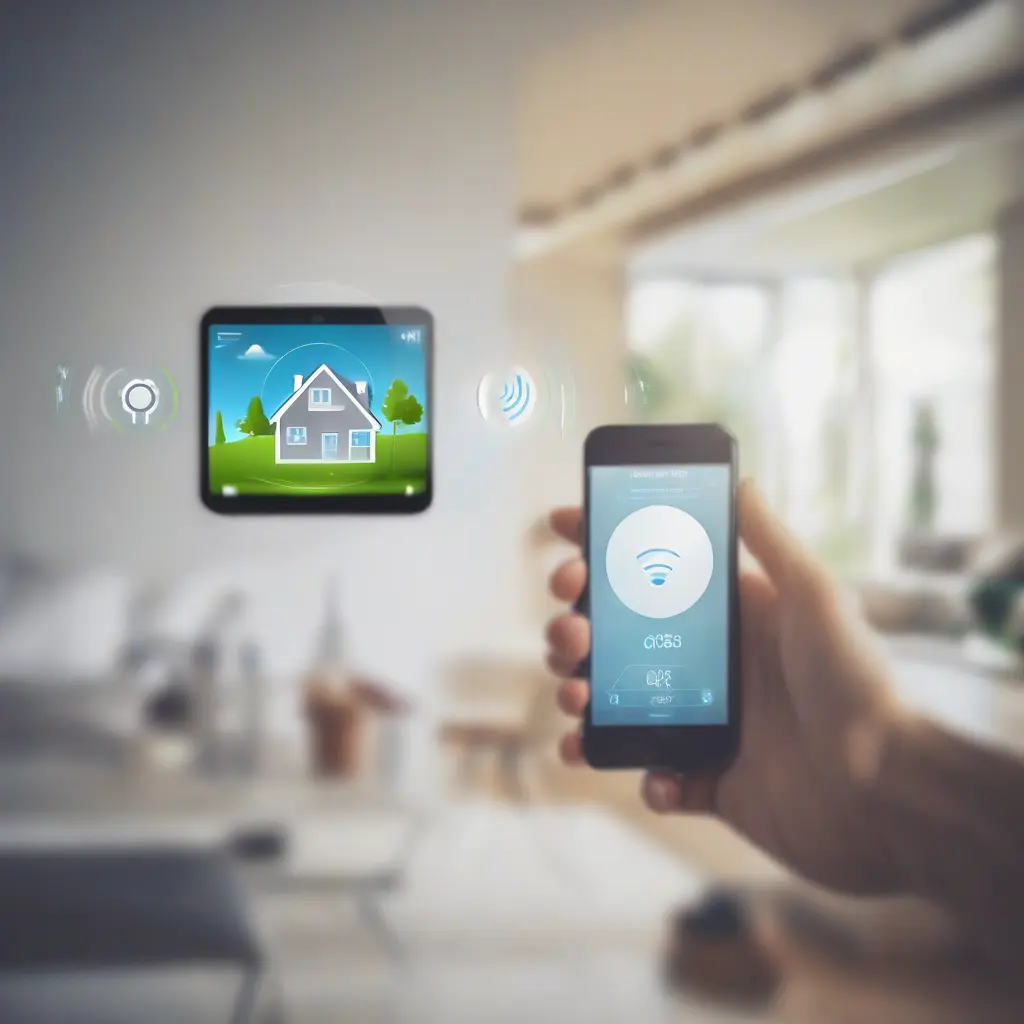
Smart home sensors are revolutionizing the way we manage energy consumption in our daily lives. These innovative devices enhance home automation, providing users with increased control and insight into their energy usage. By detecting and adapting to various environmental factors, smart home sensors promote sustainability while significantly reducing costs. Their integration into our living spaces translates to smarter energy management, effective resource utilization, and improved comfort levels. This article explores the numerous advantages of smart home sensors in achieving energy conservation and financial savings.
Understanding Smart Home Sensors
Smart home sensors are devices that collect and analyze data related to home environments, triggering actions based on real-time information. These sensors come in various forms, including motion detectors, temperature sensors, and light sensors. By integrating with central control systems, they can automate tasks such as adjusting lighting or heating based on occupancy or current weather conditions. This technology not only enhances convenience but helps homeowners make informed decisions about their energy usage, thus contributing to overall conservation efforts.
Energy Consumption Monitoring
One of the key advantages of smart home sensors is their ability to monitor energy consumption in real time. By providing detailed insights into when and where energy is being used, these sensors empower homeowners to identify wasteful practices and adjust their habits accordingly. For instance, a smart plug can show how much electricity a particular device consumes, allowing users to make informed decisions about usage times or necessary upgrades. This level of transparency is essential for fostering energy-saving habits.
Automated Climate Control
Smart sensors facilitate automated climate control within homes, adjusting heating and cooling systems based on occupancy and preferences. For instance, occupancy sensors can detect whether a room is in use and automatically adjust thermostat settings to save energy. This ensures that resources are not wasted on maintaining comfortable temperatures in unoccupied spaces. As a result, these systems contribute significantly to energy conservation and can lead to substantial cost savings on utility bills.
Enhanced Security and Energy Efficiency
Integrating security features with smart home sensors offers dual benefits—enhanced safety and improved energy efficiency. For example, motion sensors that activate lighting only when necessary help save power while keeping homes well-lit and secure. This not only reduces the energy spent on lighting during nighttime but also provides a sense of safety without incurring extra costs. The ability to manage security features remotely further adds to energy efficiency by allowing homeowners to monitor and control their homes from anywhere.
Natural Light Utilization
Smart home sensors can effectively optimize natural light utilization, reducing reliance on artificial lighting throughout the day. Light sensors can detect ambient brightness levels, automatically adjusting indoor lights based on the amount of natural light available. This capability not only decreases energy consumption but also enhances indoor comfort. By relying more on sunlight, homeowners can significantly lower their electricity bills, while also creating a more pleasant living environment.
Integration with Renewable Energy Sources
Many smart home sensors can be integrated with renewable energy systems, such as solar panels, to enhance efficiency. These sensors can monitor energy production and consumption, optimizing the usage of self-generated energy. By prioritizing the use of renewable energy based on real-time data, homeowners can maximize their energy savings while minimizing the reliance on grid power. This integration not only benefits individual households but also supports broader sustainability goals.
Remote Access and Control
The ability to control smart home sensors remotely is another significant advantage they offer. Homeowners can monitor and adjust their energy consumption through mobile apps, regardless of their location. This feature is particularly useful for managing energy use when away from home. By accessing controls remotely, users can turn off devices or adjust heating and cooling systems in real time, ensuring that energy is not wasted when not needed. This capability supports proactive energy management and cost savings.
Long-term Financial Benefits
Investing in smart home technology leads to long-term financial benefits beyond immediate energy savings. Many local governments and utility companies offer rebates or incentives for installing energy-efficient systems, which can help offset initial costs. Additionally, reducing energy bills can lead to substantial savings over time, making homes more affordable to maintain. The combination of these factors means that while the upfront investment might be significant, the long-term savings can make it a wise financial choice.
Environmental Impact
By promoting energy conservation, smart home sensors contribute positively to the environment. Reduced energy consumption leads to lower carbon footprints and less strain on natural resources. Using these sensors encourages sustainable living practices among users, fostering greater awareness of energy usage within communities. Over time, these small changes can accumulate, representing significant strides toward environmental sustainability and climate change mitigation.
Conclusion
In conclusion, smart home sensors play a crucial role in energy conservation and financial savings. Their ability to monitor consumption, automate climate control, and optimize energy use through innovative technology provides a comprehensive approach to enhancing energy efficiency. By integrating these systems into everyday life, homeowners not only enjoy cost reduction but also contribute to a more sustainable future. As technology continues to evolve, the advantages of smart home sensors are expected to expand, further enriching our lives.