
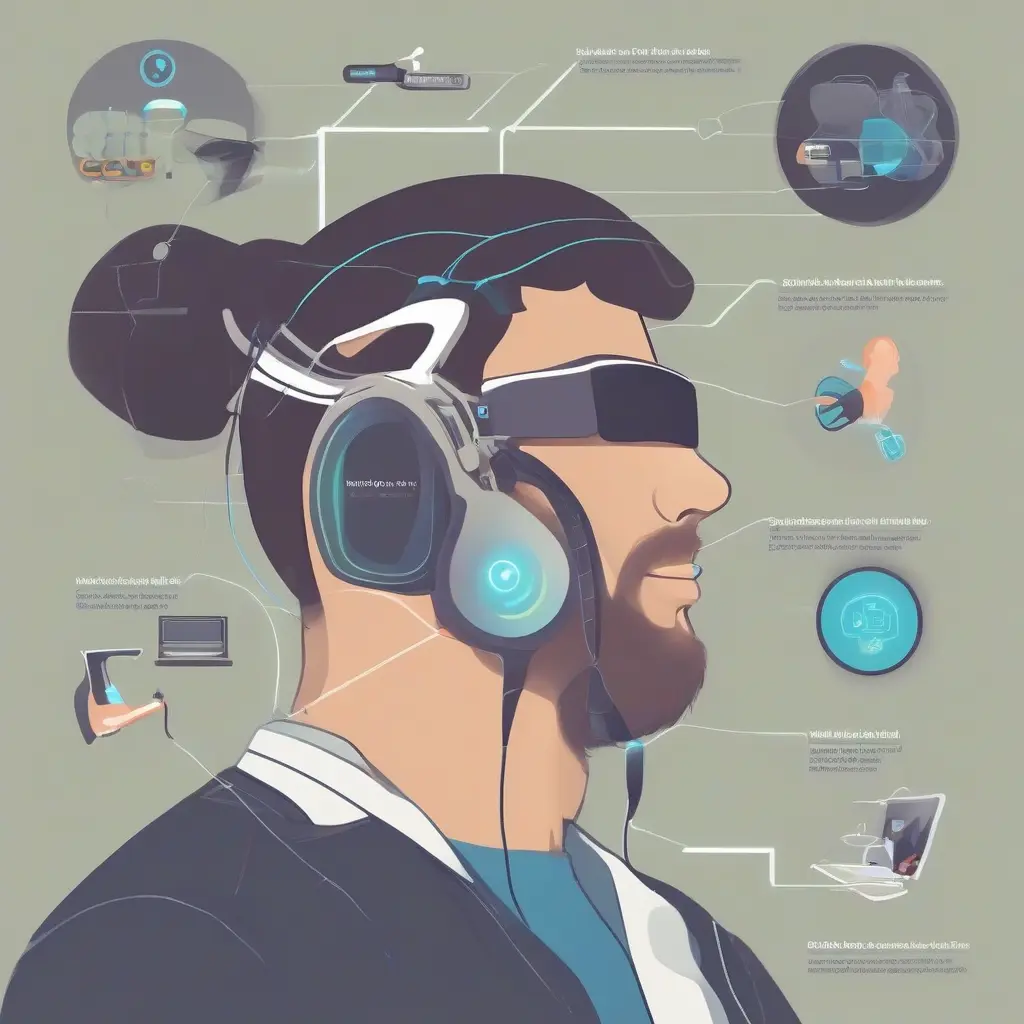
Wearable technology has rapidly gained popularity, transforming how we interact with our environment and track our personal well-being. Devices such as smartwatches, fitness trackers, and health monitors provide users with real-time data, making them invaluable for fitness enthusiasts and health-conscious individuals. These gadgets have evolved from simple pedometers into complex tools that can track heart rates, sleep patterns, and even stress levels. With the wearable tech market continually expanding, understanding what’s available today helps consumers make informed choices about which devices best meet their needs.
What is Wearable Tech?
Wearable tech refers to electronic devices designed to be worn on the body, integrating technology seamlessly into daily life. These gadgets typically serve various functions, including health monitoring, fitness tracking, and even communication. Common examples include smartwatches, fitness bands, smart glasses, and health monitors. With features like GPS, heart rate monitoring, and notifications, wearables allow users to maintain an active lifestyle while staying connected. As adoption rates increase, manufacturers continue to innovate, ensuring that these devices remain both functional and stylish.
Popular Types of Wearable Tech
The market for wearable technology includes numerous categories, each designed to cater to specific user needs. Smartwatches are one of the most versatile options, offering capabilities such as fitness tracking, notification management, and even mobile payments. Fitness trackers, on the other hand, focus primarily on health metrics, providing insight into steps taken, calories burned, and sleep quality. Other categories include smart clothing, which integrates sensors within the fabric to monitor various health parameters, and smart glasses that enhance reality by overlaying digital information onto the physical world.
The Rise of Smartwatches
Smartwatches have become synonymous with wearable technology, offering advanced features that go beyond traditional timekeeping. These devices connect to smartphones via Bluetooth, allowing users to receive notifications, respond to messages, and even make calls directly from their wrist. Many smartwatches come equipped with health monitoring features like heart rate sensors, ECG capabilities, and fitness tracking, appealing to health-conscious individuals. This surge in popularity has prompted tech giants to develop increasingly sophisticated models, driving innovation and expanding functionality to include mobile apps and payment options.
Fitness Trackers and Their Functions
Fitness trackers focus primarily on monitoring physical activities and health metrics, helping users achieve personal fitness goals. Pioneered by brands like Fitbit and Garmin, these devices typically include features such as step counting, calorie tracking, and sleep analysis. More advanced models offer heart rate monitoring, GPS tracking, and exercise-specific modes for various activities. By collecting and analyzing data over time, fitness trackers not only motivate users to stay active but also provide insights into their overall health, making them a popular choice among fitness enthusiasts.
Health Monitoring Wearables
Health monitoring wearables are specifically designed to provide insights into various health parameters, often used by individuals with specific health concerns. Devices like continuous glucose monitors (CGMs) and heart rate monitors help users keep track of vital signs, offering real-time data that can be crucial for managing chronic conditions. These wearables can alert users or caregivers of any anomalies, empowering users to make informed decisions about their health. As technology advances, more sophisticated devices emerge, offering additional features that enhance health and lifestyle management.
The Role of Smart Clothing
Smart clothing represents the intersection of fashion and technology, embedding sensors directly into fabrics to monitor various biometric metrics. These garments can track heart rate, body temperature, and even muscle activity during workouts, providing a deeper understanding of physical performance. Brands like Athos and Hexoskin have pioneered developments in this area, aiming to enhance athletic performance while ensuring comfort. As smart clothing technology evolves, it promises increased functionality and integration with other devices, offering users new ways to track their health and optimize workouts.
Smart Glasses: A New Frontier
Smart glasses are emerging as a unique category within wearable tech, combining augmented reality (AR) with everyday usability. Models like Google Glass and Microsoft HoloLens allow users to access information, take pictures, and receive notifications hands-free, enhancing productivity and interaction with the environment. These devices utilize displays to overlay digital content in the wearer’s field of view, opening new doors for applications in industries such as healthcare, education, and gaming. As their functionality expands, smart glasses may soon become commonplace in daily life.
Integration with Smartphones
One of the significant advantages of wearable technology is its seamless integration with smartphones. Most wearable devices connect via Bluetooth to synchronize data, allowing for streamlined access to important notifications and information. This connectivity enhances user experience by providing an interface that is both convenient and immediate. Many wearables offer accompanying mobile apps that allow users to analyze data, customize settings, and even participate in social health challenges. This interconnected environment fosters an engaged user base that is committed to staying fit and informed.
Privacy Concerns in Wearable Tech
With the increasing adoption of wearable technology, privacy concerns have emerged, particularly regarding data security and personal information. Many devices collect sensitive health data, which can be susceptible to breaches if not properly protected. Users must be aware of how their data is being utilized and ensure that devices are equipped with robust security measures. Manufacturers are implementing stricter privacy policies and encryption protocols to mitigate these risks, but users should remain vigilant and educated about their wearable tech’s data management practices.
Future Trends in Wearable Technology
The future of wearable technology promises remarkable advancements, with trends suggesting an increase in functionality and user experience. Emerging developments include enhanced health monitoring features, longer battery life, and improved form factors that are more aesthetic and comfortable. Artificial intelligence (AI) integration will likely play a significant role, personalizing user interactions and offering precise health recommendations. As technology progresses, the purpose of wearables will expand to not only assist in fitness but also enhance overall well-being and daily productivity.
Conclusion
Wearable tech is reshaping how individuals track their health and interact with technology on a daily basis, offering substantial benefits in fitness, health monitoring, and connectivity. As various categories, such as smartwatches, fitness trackers, and smart clothing, continue to evolve, they provide unique features that cater to a wide array of user needs. Understanding the fundamentals of wearable technology and its current offerings can help consumers choose the right devices that align with their lifestyles, enhancing both their fitness journeys and overall well-being.