
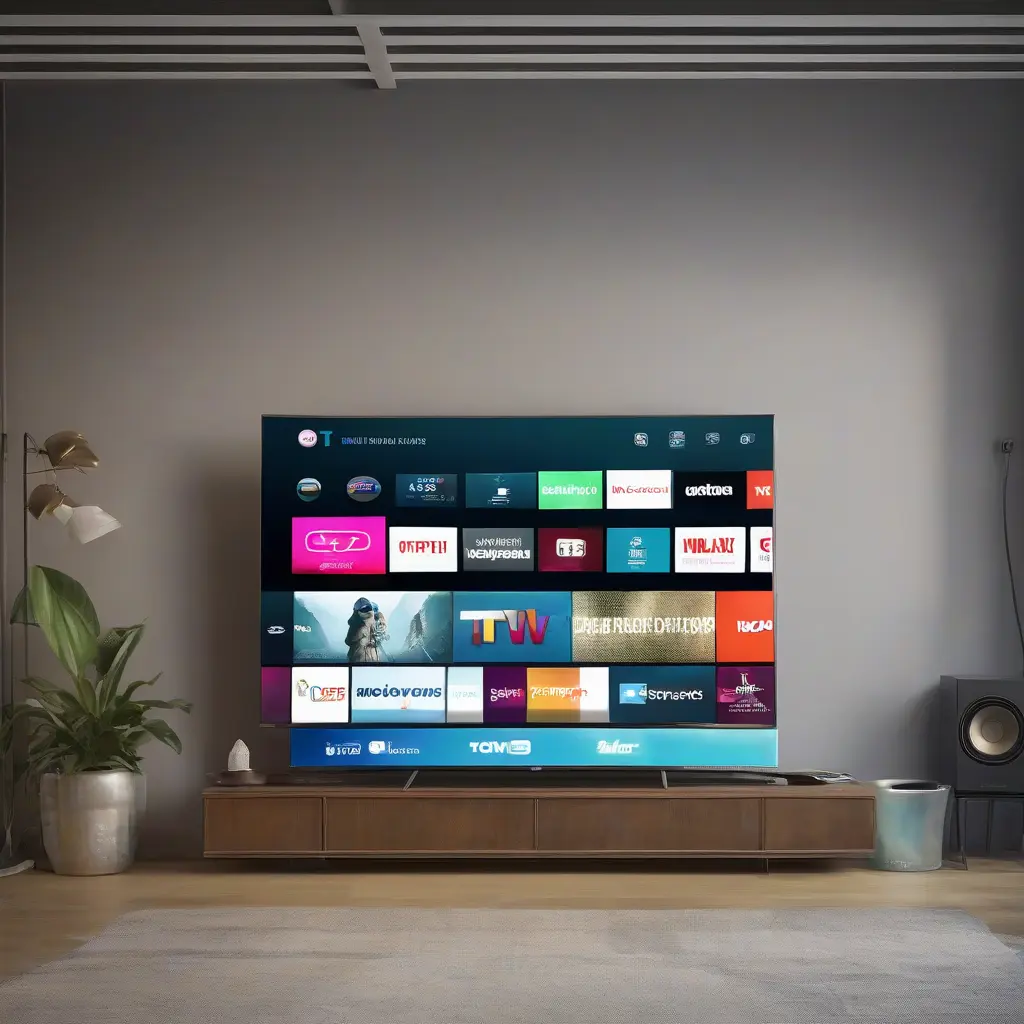
Smart TVs have revolutionized the way we consume entertainment, allowing seamless access to streaming services, games, and internet browsing. However, purchasing one can be overwhelming due to the variety of available models and features. To make an informed decision, it’s essential to understand the fundamental aspects of smart TVs. This guide delves into what you should know before buying a smart TV, focusing on key factors that influence your viewing experience, compatibility with other devices, and the importance of software updates.
Understanding Smart TV Features
Smart TVs come equipped with a myriad of features designed to enhance your viewing experience. Key functionalities include built-in streaming applications such as Netflix, Hulu, and Amazon Prime, as well as voice control capabilities using assistants like Alexa or Google Assistant. Display technology—whether LED, OLED, or QLED—also greatly impacts picture quality and color accuracy. Additionally, features like HDR (High Dynamic Range) provide deeper contrasts and vibrant colors, making your viewing more lifelike. Understanding these features can help you select a model that aligns with your entertainment preferences.
Screen Size and Viewing Distance
Choosing the right screen size for your smart TV is crucial for an optimal viewing experience. Guidelines generally suggest that the distance between your seating area and the TV should be approximately 1.5 to 2.5 times the diagonal size of the screen. This means if you’re sitting 8 feet away, a screen size of 55 inches to 75 inches is ideal. Larger screens are better for immersive experiences, particularly if you enjoy watching movies or sports. However, a too-large screen can overwhelm a smaller room and lead to discomfort, so consider your space and layout carefully.
Resolution: 4K vs. 8K
Resolution is a critical aspect to consider when buying a smart TV, as it determines the clarity and detail of the images displayed. Most modern TVs come with Full HD (1080p) and 4K (2160p) resolutions, with 4K now becoming the standard for new models. 8K TVs are entering the market, but content offering native 8K resolution is still limited. For most consumers, a 4K smart TV provides high-quality visuals and is a more cost-effective option. Ensure that the resolution suits your viewing habits and the type of content you will primarily watch.
Connectivity Options
The connectivity options available on a smart TV are paramount for integrating it with your home setup. Most smart TVs come with several HDMI ports, USB ports, and Ethernet connections. An essential consideration is whether the TV supports HDMI 2.1, which enhances gaming capabilities with features like 120Hz refresh rates and Variable Refresh Rate (VRR). Additionally, many smart TVs offer Wi-Fi and Bluetooth support, allowing for a wireless connection to devices like soundbars and headphones. Understanding these options not only helps ensure compatibility but also expands the functionality of your smart TV.
Operating Systems and User Interface
Different smart TVs operate on varied platforms, including Google TV, Tizen, Roku, and webOS. The choice of operating system impacts your user experience, as it dictates how easily you can navigate through apps and settings. Some systems are designed for simplicity and ease of use, while others offer more customization options but can be complex. Additionally, regularly updated software ensures continued access to the latest features and security enhancements. It’s advisable to choose a smart TV with a user interface that feels intuitive and meets your needs.
Audio Quality Considerations
While many focus primarily on video quality, audio performance is equally important for an immersive viewing experience. Built-in speakers on smart TVs vary significantly in quality; some may offer adequate sound, while others fall short. To enhance audio quality, consider investing in external sound systems such as soundbars or home theater setups, which can complement your smart TV and provide a richer auditory landscape. Always check reviews and specifications regarding audio features to determine whether additional sound equipment is necessary for your setup.
Energy Efficiency Ratings
Energy efficiency is a significant concern in today’s eco-conscious environment, and smart TVs are no exception. Look for models with an Energy Star rating, which indicates that the TV meets energy efficiency guidelines set by the EPA. These models not only help reduce your electricity bill but also lessen your carbon footprint. Energy-efficient TVs often come with settings that allow for auto-dimming and standby modes, further minimizing energy consumption during use. Being mindful of energy efficiency is beneficial both for your budget and the environment.
Smart TV Security Features
As smart TVs connect to the internet and often collect user data, security features are of utmost importance. Select models that provide robust privacy settings and allow you to control data sharing options. Security updates are crucial to protect against vulnerabilities that may arise over time. Look for smart TVs that employ encryption and security protocols to safeguard your information. Understanding how to secure your device enhances both your privacy and your overall experience while using smart applications.
Final Thoughts on Smart TV Buying
Ultimately, buying a smart TV requires careful consideration of various features, specifications, and personal preferences. Assessing screen size, resolution, connectivity, and sound quality ensures you choose a model that aligns with your viewing habits. Additionally, evaluating energy efficiency and security features should not be overlooked, as they contribute to a well-rounded experience. By taking the time to understand these fundamentals, you can confidently make an informed decision that elevates your entertainment experience.