
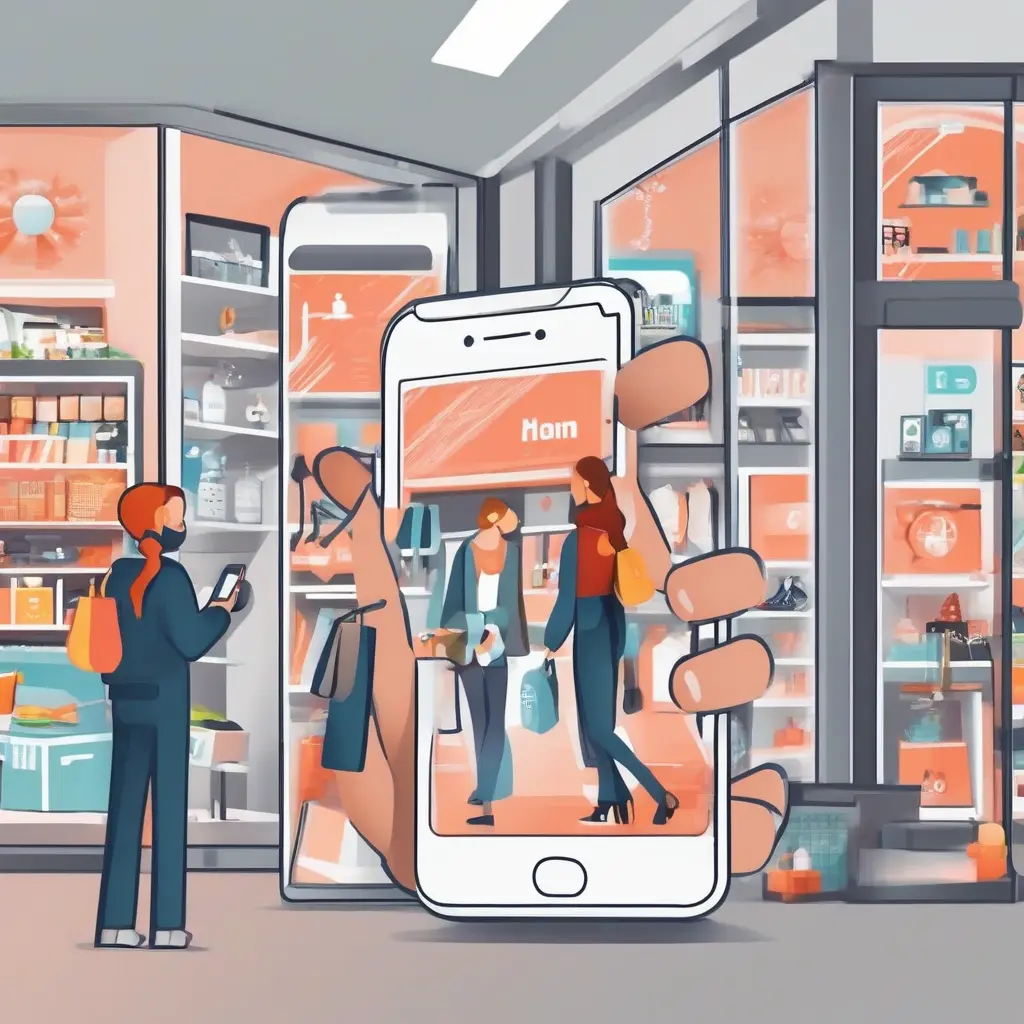
Augmented reality (AR) is revolutionizing retail by offering innovative shopping experiences that bridge the gap between digital and physical worlds. As technology advances, retailers are increasingly adopting AR solutions to engage customers, enhance product interactions, and facilitate informed purchasing decisions. This immersive technology empowers shoppers to visualize products in their own environments before making a transaction. In essence, AR not only elevates enjoyment in retail shopping but also improves customer satisfaction, leading to increased sales and brand loyalty.
Understanding Augmented Reality
Augmented reality is a technology that overlays digital information onto the real world, enhancing the user’s perception of their environment. This can be achieved through various devices, including smartphones, tablets, and AR glasses. Unlike virtual reality, which creates a completely new environment, AR integrates the digital layer with the real one. This unique capability allows retailers to create immersive experiences, enabling customers to see how products fit into their lives without needing to visit stores physically. As a result, AR provides a compelling avenue for increased engagement.
Creating Virtual Try-On Experiences
One of the most impactful applications of augmented reality in retail is the virtual try-on feature, particularly prevalent in fashion and cosmetics sectors. This technology allows customers to try on clothing, shoes, or makeup virtually, using their smartphones or store kiosks. By utilizing AR, retailers can reduce return rates, as customers are better informed about how a product will look on them before making a purchase. Furthermore, this innovative approach not only enhances convenience but also provides an entertaining shopping experience, encouraging more frequent visits and purchases.
Enhancing Customer Engagement
Augmented reality significantly boosts customer engagement by providing interactive and personalized experiences. Retailers can create AR-enabled apps that allow shoppers to scan products for additional information, view 3D models, or visualize how large items might fit in their homes. Such engaging features capture customers’ attention and keep them interested. In turn, this increases the time spent exploring products, promoting deeper connections between brands and consumers. With enhanced engagement, retailers can foster loyalty, turning one-time buyers into devoted customers.
Facilitating Informed Purchase Decisions
AR aids consumers in making informed purchase decisions by offering comprehensive, interactive product information. Shoppers can access virtual demonstrations or inspect products in detail, which reduces uncertainty and enhances confidence in their selections. For instance, furniture retailers often employ AR tools to let customers visualize how a chair or table would look in their homes. By facilitating more informed choices, retailers can enhance customer satisfaction and reduce the likelihood of post-purchase regret, thereby bolstering positive brand recognition.
Bridging Online and In-Store Shopping
The synergy between online and physical shopping experiences is strengthened by augmented reality. Retailers can offer AR features on their websites and apps that enable customers to visualize products in their environment before buying. This hybrid approach attracts online shoppers while encouraging in-store visits. For example, a customer might use AR to see how a piece of furniture fits in their home, then opt to visit the store to see it in person. By seamlessly integrating AR technology into the shopping journey, brands can improve conversion rates and enhance the overall shopping experience.
Using AR for Personalized Marketing
Augmented reality also plays a significant role in personalized marketing, allowing retailers to present tailored content based on consumer preferences. For instance, a beauty brand could create AR filters that suggest specific products based on the user’s skin tone or style preferences. This personalized approach not only enhances the user experience but also helps retailers build stronger relationships with their customers. By making their marketing efforts more relevant and engaging, brands can drive higher conversion rates and foster customer loyalty.
Reducing Physical Store Footprint
As augmented reality continues to advance, retailers can consider reducing their physical store footprint by offering AR-based shopping solutions. By using AR, stores can minimize the amount of in-store display space needed while still providing a comprehensive shopping experience. For example, by allowing customers to interact with AR displays and try products virtually, retailers can maintain a streamlined space. This approach not only saves costs but also shifts the focus from physical inventory to digital interactions, creating a modern shopping environment.
Challenges in Implementing AR in Retail
Despite the numerous benefits, implementing augmented reality in retail is not without challenges. Technical barriers such as the need for high-quality hardware and software can deter some retailers from adopting AR solutions. Furthermore, ensuring a seamless user experience requires significant investment in development and content creation. Additionally, consumers must be educated on how to use AR features effectively. These hurdles can hinder the effective deployment of AR technology, but overcoming them can lead to remarkable competitive advantages in the retail industry.
Future Trends of Augmented Reality in Retail
Looking ahead, the future of augmented reality in retail appears promising, marked by rapid advancements in technology and consumer expectations. Enhanced capabilities, such as improved AR displays and faster processing speeds, will lead to more sophisticated shopping experiences. Retailers will likely integrate AR with artificial intelligence to provide even more personalized interactions. Additionally, as 5G networks become more widespread, faster connectivity will enable seamless AR experiences. This evolution will position retail brands to further engage consumers, paving the way for innovative shopping methodologies.
Conclusion
In conclusion, augmented reality is transforming the retail landscape by enhancing shopping experiences through virtual try-ons, improved engagement, and informed decision-making. As AR technology continues to evolve, retailers must adapt to leverage its benefits effectively. By embracing this innovative approach, brands not only meet consumer expectations but also gain a competitive advantage in a fast-evolving market. The future of retail lies in the power of augmented reality to create immersive, personalized, and seamless shopping experiences.