
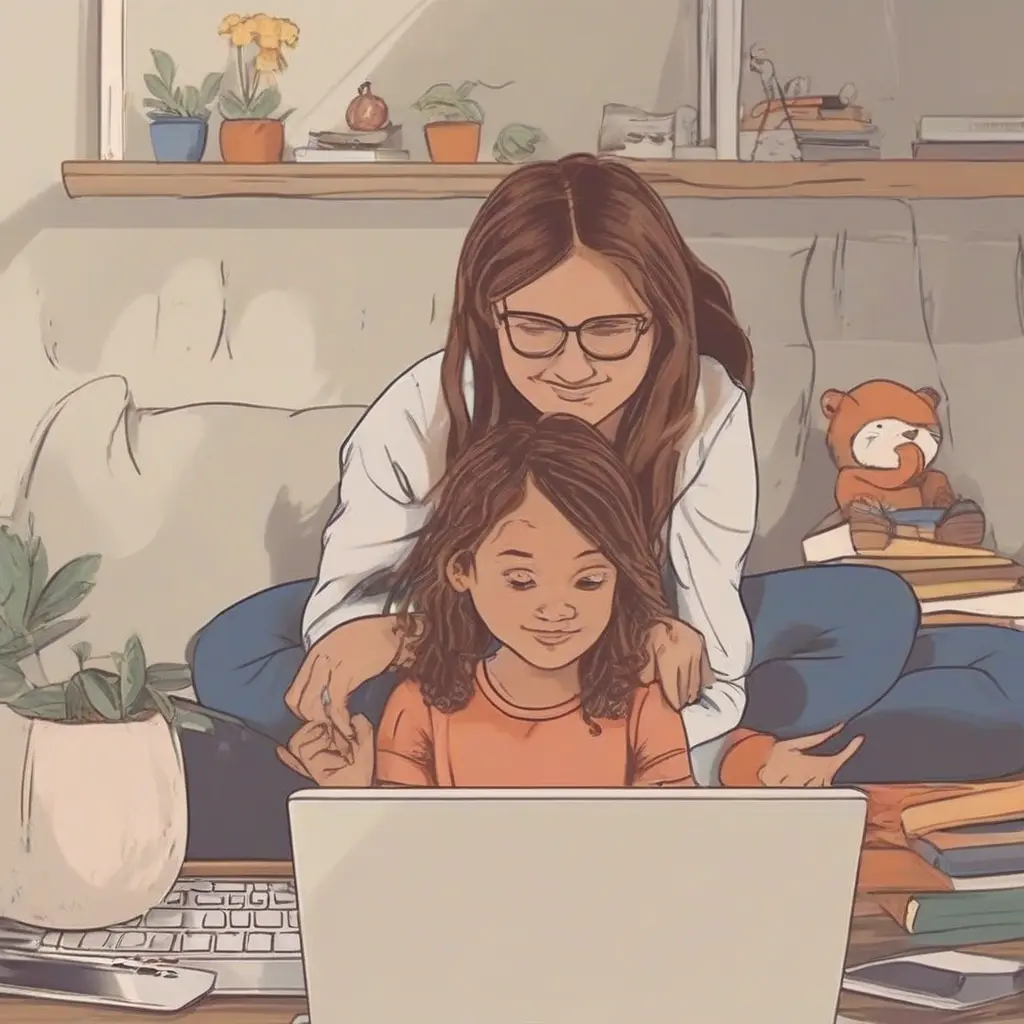
In today’s digital age, the internet is a fundamental resource for children, offering educational benefits, social connections, and entertainment. However, it also harbors various risks that can threaten their safety and well-being. As parents, it is crucial to understand these challenges and implement strategies to protect your children online. This article provides essential digital safety tips that empower you to navigate the complexities of the online world alongside your kids.
Understand the Digital Landscape
Before you can effectively protect your children online, it is essential to understand the digital landscape. This includes knowing the various platforms they might use, from social media sites to gaming platforms. Each platform has unique features, risks, and privacy policies that can affect your child’s safety. Familiarizing yourself with these environments will not only enable you to better explain potential dangers to your children but also provide insights into what they may encounter while online.
Open Communication
Establishing open communication with your children about their online experiences is vital. Encourage them to share their thoughts and feelings about the digital content they encounter. Regular discussions about their online interactions can help you gauge their comfort levels and identify any issues they may face. Additionally, creating an environment where they feel safe discussing online challenges allows them to approach you with concerns, fostering trust and promoting their safety.
Set Clear Boundaries
Setting clear boundaries regarding internet use is crucial for your child’s online safety. Define specific rules about when, where, and how long they can use digital devices. Consider implementing rules around certain types of content they can access or the platforms they can interact with. These guidelines provide a framework for responsible internet use, helping your children understand the importance of digital discipline and the potential consequences of straying from the established norms.
Utilize Parental Controls
Many devices and platforms offer parental control settings that can help you monitor your child’s online activity. These tools allow you to filter content, limit screen time, and track usage patterns. Familiarize yourself with the parental controls available on devices your children use, such as smartphones, tablets, and computers. By utilizing these features, you can create a safer online environment tailored to your child’s age and maturity level, giving you peace of mind.
Educate About Privacy
Teaching your children about privacy is a fundamental aspect of online safety. Help them understand the importance of protecting their personal information, such as their full name, address, phone number, and school. Encourage them to think critically before sharing any personal details online, even in private settings. By instilling a strong sense of privacy awareness in your children, you empower them to make smart decisions regarding the information they share and who they share it with.
Recognize Signs of Cyberbullying
Cyberbullying can have serious emotional consequences for children and is an issue parents should actively monitor. Be aware of the signs that may indicate your child is a victim, such as sudden changes in behavior, withdrawal from activities, or unexplained anxiety. Regularly check in with your children about their online interactions, and encourage them to speak up if they experience harassment. Early recognition and intervention can help mitigate the impact of cyberbullying on your child’s mental well-being.
Foster Digital Citizenship
Fostering digital citizenship is essential for raising responsible and respectful online users. Teach your children the importance of respectful communication and ethical behavior while engaging with others online. Encourage them to consider the consequences of their actions and the impact their words may have. By instilling values of empathy and kindness in their digital interactions, you help create a safer online community for both your child and their peers.
Be Aware of Online Games
Online gaming is a popular activity among children, but it also comes with specific risks. Some games feature chat functions that allow players to interact with others, which can expose your child to inappropriate language or even predatory behavior. Research the games your child plays, understand their features, and communicate the importance of reporting any inappropriate behavior. Setting guidelines around gaming can help you manage risks while allowing your child to enjoy their favorite pastime.
Encourage Critical Thinking
One of the best ways to protect your children online is to encourage critical thinking about the information they encounter. Teach them to question the validity of sources, especially when it comes to news or social media content. Discuss how to identify fake news and misleading information, which can perpetuate harmful narratives. By developing their analytical skills, your children will be less susceptible to believing everything they see online and better prepared to navigate complex digital environments.
Limit Screen Time
Regulating screen time is crucial for your child’s overall well-being, as excessive internet use can lead to various problems, including mental health issues and social isolation. Establish daily or weekly limits on the amount of time your children can spend online, and encourage them to engage in offline activities. Balancing screen time with physical exercise and family interactions promotes healthier habits, helping your children cultivate a well-rounded lifestyle.
Stay Informed About Trends
The digital world is constantly evolving, with new trends, applications, and technologies emerging frequently. To better protect your children, stay informed about popular apps and social media trends they may be using. Understanding these trends allows you to engage in informed discussions with your children about their experiences and potential risks. Keeping your knowledge up-to-date empowers you to provide timely guidance and support for navigating emerging digital challenges.
Create a Family Media Plan
Developing a family media plan can offer a structured approach to managing technology use in your household. This plan should include guidelines for screen time, types of acceptable content, and family activities that promote face-to-face interactions. Involving your children in the creation of this plan fosters a sense of ownership and responsibility regarding their media consumption. A well-thought-out family media plan can lay the groundwork for healthier online habits and stronger family connections.
Conclusion
Protecting your children online requires proactive measures, open communication, and consistent monitoring. By implementing the strategies outlined in this article, you can help your children navigate the digital world safely. Raising digitally aware kids is an ongoing journey that evolves with technology, emphasizing the importance of staying informed and engaged as a parent.