
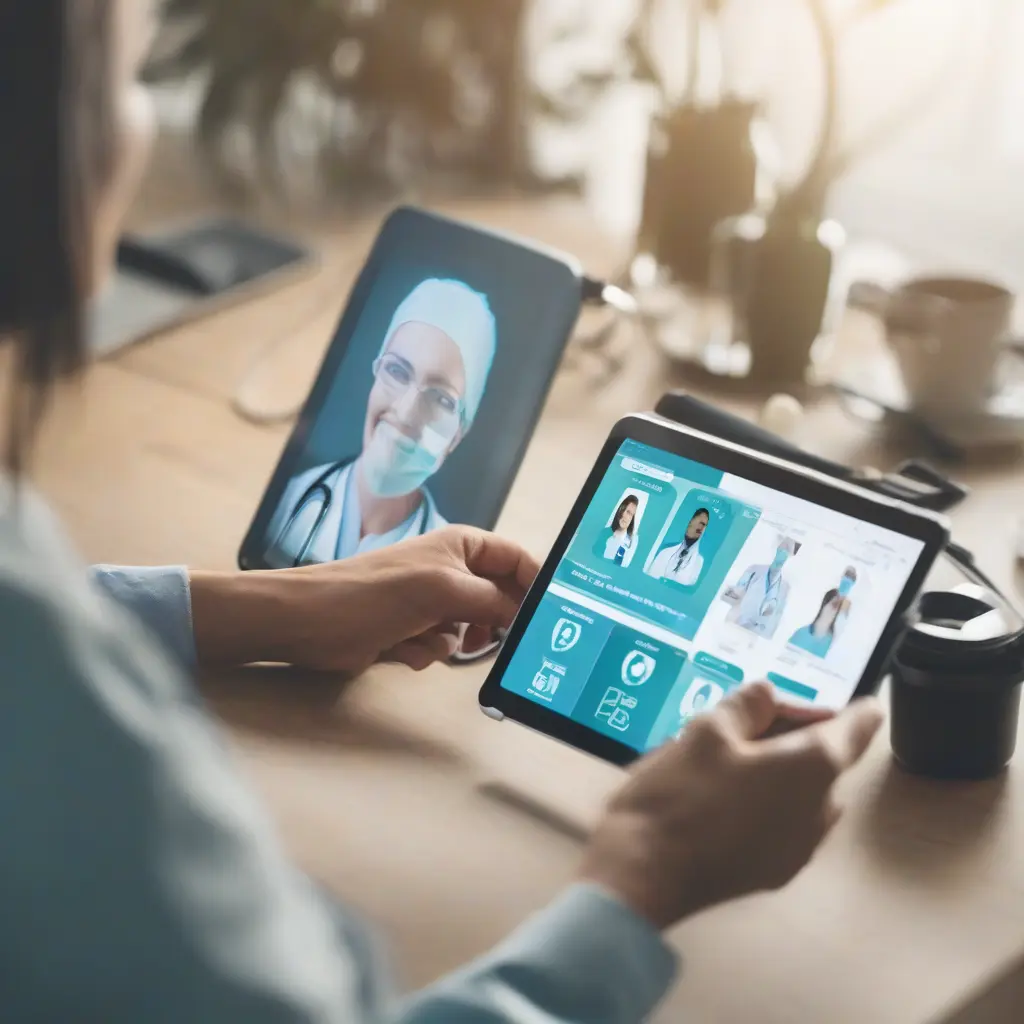
Telehealth services have revolutionized the way patients access healthcare, transforming traditional medical practices into more accessible and efficient solutions. By leveraging technology, telehealth enables patients to receive medical consultations via video calls, messaging, and other digital platforms. This approach not only facilitates convenience but also expands access to a wider range of healthcare services, especially for those in remote areas. As we explore the myriad benefits of telehealth, it becomes clear that these innovative services play a crucial role in enhancing everyday healthcare experiences.
Increased Accessibility to Healthcare
One of the primary benefits of telehealth services is their ability to increase accessibility for patients who might have difficulty reaching traditional healthcare facilities. For individuals living in rural or underserved areas, travel can be time-consuming and costly. Telehealth eliminates the need for extensive travel, allowing patients to consult with healthcare providers from the comfort of their homes. This increased accessibility is particularly impactful for older adults and those with mobility challenges, ensuring they receive timely care without added stress or inconvenience.
Convenience and Time Efficiency
Telehealth offers substantial convenience, allowing patients to schedule appointments at times that fit their busy lives. Unlike traditional in-person visits, which may require time off work or lengthy waiting periods, telehealth consultations can be conducted with minimal disruption. Many telehealth platforms also allow patients to access medical advice during evenings or weekends, accommodating various schedules. This time efficiency not only enhances patient satisfaction but also encourages individuals to seek healthcare services sooner, potentially improving health outcomes.
Cost-Effectiveness
Another significant advantage of telehealth services is their potential cost-effectiveness. Traditional healthcare visits often involve additional expenses, such as transportation costs and time away from work. Telehealth reduces or eliminates these costs, making healthcare more affordable for patients. Additionally, many telehealth services operate through a flat fee structure or offer lower co-pays compared to in-person visits. This cost reduction can alleviate the financial burden on patients, encouraging them to engage more regularly with their healthcare providers.
Improved Management of Chronic Conditions
For individuals living with chronic conditions, telehealth can be a game-changer in managing their health more effectively. Regular consultations with healthcare providers via telehealth platforms facilitate ongoing monitoring and intervention, which is crucial for chronic disease management. Patients can receive real-time feedback about their symptoms, medication adjustments, and lifestyle recommendations without the hassle of physically attending appointments. This proactive approach to healthcare can lead to better adherence to treatment plans and ultimately improved health outcomes.
Enhancing Preventive Care
Telehealth services also play a vital role in enhancing preventive care. Through virtual consultations, healthcare providers can conduct screenings, health assessments, and educational sessions that promote preventive measures. Remote health monitoring tools enable patients to track their vital signs, weight, and other health indicators, which can be shared with their providers for timely interventions. By focusing on prevention, telehealth encourages patients to make healthier lifestyle choices and reduces the risk of developing chronic diseases in the future.
Greater Flexibility in Communication
Telehealth allows for greater flexibility in communication between patients and healthcare professionals. Patients can choose preferred communication methods, whether through video calls, secure messaging, or phone consultations. This flexibility fosters a more personalized approach to healthcare, where patients feel more comfortable engaging with their providers. Additionally, the use of digital health records during telehealth visits ensures that patient information is readily accessible, facilitating informed decision-making for both patients and providers.
Addressing Behavioral Health Needs
Telehealth is particularly beneficial for addressing behavioral health needs, offering patients a safe space to discuss mental health concerns. The stigma surrounding mental health care can often deter individuals from seeking help, but telehealth provides a level of anonymity that encourages more people to reach out. Services such as therapy and counseling can be accessed via video or audio calls, making mental health support more readily available. This accessibility helps ensure that mental health challenges are dealt with proactively, promoting overall well-being.
Support for Caregivers
Telehealth services not only benefit patients but also provide essential support for caregivers. Many caregivers face challenges managing their loved ones’ healthcare needs while balancing their own responsibilities. Telehealth enables caregivers to access medical advice and resources without needing to arrange in-person appointments. This support can help caregivers better navigate complex medical situations, reduce stress, and improve the quality of care they provide to their loved ones. By streamlining communication, telehealth empowers caregivers in their vital roles.
Integration with Wearable Health Technology
The integration of telehealth with wearable health technology offers exciting possibilities for patient care. Devices like fitness trackers and smartwatches can monitor vital signs, physical activity, and other health metrics in real-time. This data can be synchronized with telehealth platforms, allowing healthcare providers to review patient progress and make informed recommendations. This symbiotic relationship between telehealth and wearable technology enhances patient engagement while facilitating ongoing health monitoring, which is especially valuable for chronic disease management.
Challenges and Limitations of Telehealth
While telehealth offers many benefits, it also comes with certain challenges and limitations. Access to reliable internet and digital devices can be a barrier for some individuals, particularly those in low-income or rural areas. Additionally, not all healthcare services can be effectively provided through telehealth, necessitating in-person visits for certain procedures or assessments. It is essential for the healthcare system to address these gaps and ensure equitable access to telehealth services for all populations, so that its benefits can be maximized.
Conclusion
In summary, telehealth services present various benefits that can transform everyday healthcare experiences, from increased accessibility and convenience to enhanced preventive care. As technology continues to bridge the gap between patients and healthcare providers, the potential for improved health outcomes remains significant. Embracing these services can contribute to a more efficient, affordable, and holistic approach to health and well-being for individuals across the globe.