
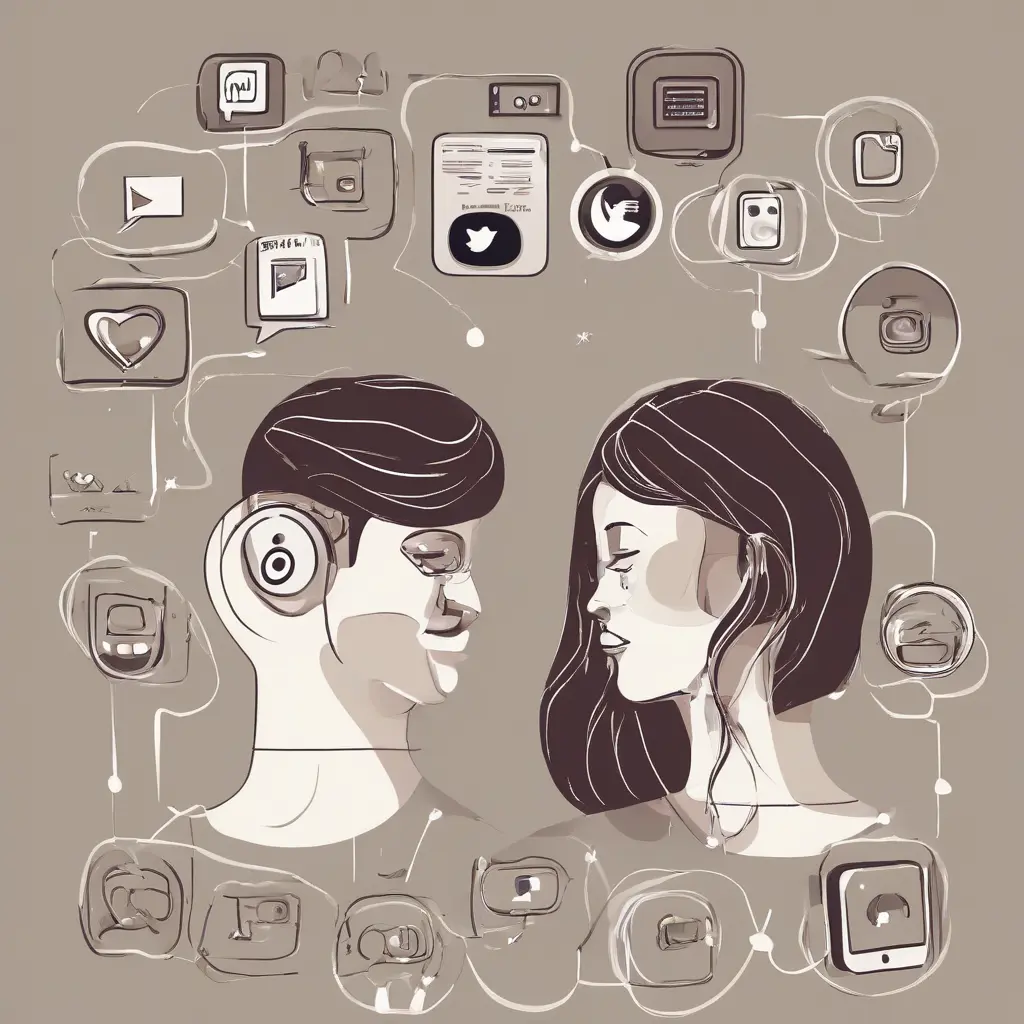
Social media has transformed communication, introducing new dynamics into modern relationships. From connecting long-distance friends to influencing romantic partnerships, platforms like Facebook, Instagram, and Twitter play crucial roles in shaping social interactions. While these tools offer numerous benefits, they also contribute to challenges such as miscommunication, jealousy, and dependency. Understanding the dual impact of social media is essential for navigating relationships in the digital age.
The Rise of Digital Communication
Digital communication has surged in popularity due to social media, fundamentally altering how we interact with each other. With instant messaging and video calls, maintaining connections across distances has become effortless. This ease of communication allows individuals to remain in touch with friends and family, fostering a sense of belonging. However, the quality of interactions may sometimes suffer as face-to-face conversations decrease, leading to misunderstandings in interpreting emotions and intentions.
Effects on Romantic Relationships
Social media significantly influences romantic relationships, serving as both a connector and a source of tension. Couples often share their lives online, from sweet milestones to personal challenges. This public display can enhance bonding but may also lead to comparison and insecurities when partners see curated content from others. Moreover, social media can introduce trust issues, with some individuals feeling anxious about their partner’s online interactions with others.
Jealousy and Insecurity
The visibility of online interactions can evoke feelings of jealousy and insecurity among partners. Social media platforms offer a glimpse into one’s social life, which might trigger negative emotions when individuals see their partner engaging with potential romantic interests. This reality often leads to conversations about boundaries and expectations that might not have been necessary in less digital times. As a result, jealousy can become a recurring theme in relationships influenced by social media.
Building Community and Support Networks
On a positive note, social media allows individuals to build communities and support networks that enhance relationships. Online groups and forums enable people to connect over shared interests or challenges, fostering friendships that might not have formed otherwise. These digital communities can provide emotional support and understanding, especially during difficult times, helping individuals feel less isolated. This aspect of social media highlights its potential as a tool for strengthening connections rather than solely creating problems.
The Impact of Social Media on Friendships
Friendships are significantly impacted by social media, as platforms facilitate ongoing connections and interactions among friends. Friends can share updates, photos, and life events, which helps maintain relationships despite geographical barriers. However, this constant online presence can lead to perceptions of friendship based on likes and comments, potentially devaluing real-life interactions. The balance between online engagement and authentic connection is critical for sustaining meaningful friendships.
Mental Health Considerations
Social media can have profound effects on mental health, both positive and negative. It can undoubtedly help individuals connect and find solidarity during challenging times; however, it can also lead to anxiety, depression, and feelings of inadequacy. The comparison culture prevalent on platforms causes many to question their self-worth. Recognizing these impacts is essential for individuals looking to ensure that their social media usage contributes positively to their mental health.
Privacy and Boundaries in Relationships
Establishing privacy and boundaries is critical in relationships affected by social media. The intermingling of personal information online can blur the lines of what is considered private, leading to disputes about sharing details with others. Having open discussions about what each partner feels comfortable sharing can help manage expectations and reduce conflicts. It fosters trust and respect, enabling healthier relationships where both parties feel secure in their privacy.
Future Trends in Social Media and Relationships
The landscape of social media is ever-evolving, and its impact on relationships will continue to change. Emerging trends such as virtual reality and increased interactivity are set to redefine how individuals connect. As social media platforms adapt, they will likely offer new ways for users to share experiences and emotions, shaping the dynamics of both new and existing relationships. Understanding these future trends will be crucial in navigating relationships in the increasingly digital world.
Conclusion
In summary, social media plays a complex role in modern relationships, offering both positive and negative influences. While it facilitates communication and connection, it also poses challenges such as jealousy and misunderstandings. By being aware of these dynamics, individuals can harness the benefits of social media while mitigating its potential downsides, ultimately fostering healthier and more meaningful relationships in this digital age.