
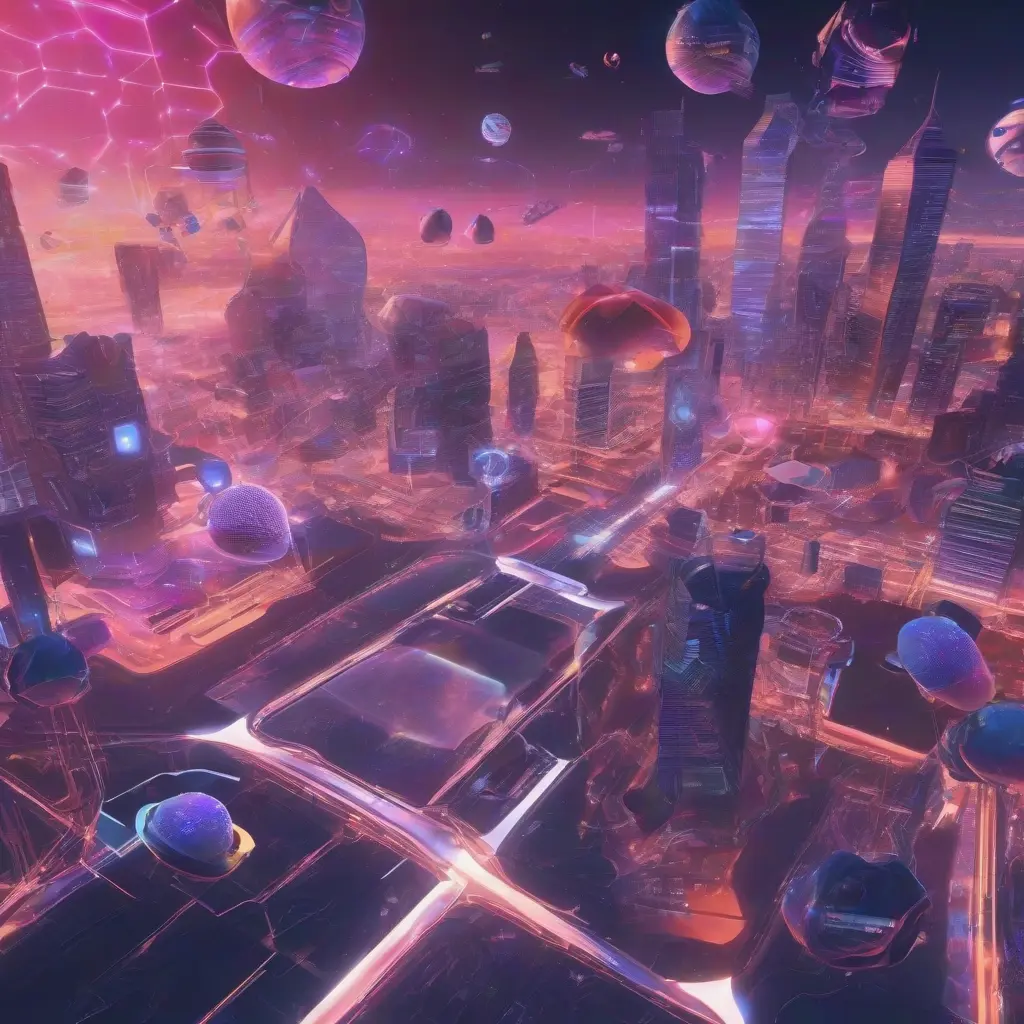
The Metaverse represents an expansive digital universe where users can interact in real-time. This immersive environment combines augmented reality (AR), virtual reality (VR), and various digital technologies to create a space that feels both real and virtual. Understanding the Metaverse can be overwhelming for beginners, but it offers limitless possibilities for creativity, social interaction, and commerce. As technology continues to evolve, many are eager to explore how this virtual world will impact everyday life, interactions, and various industries.
Understanding the Concept of the Metaverse
The term ‘Metaverse’ was first popularized in Neal Stephenson’s 1992 science fiction novel ‘Snow Crash.’ In the story, it described a virtual reality space where users could interact with each other and digital environments through avatars. Today, the Metaverse represents an evolution beyond just online games or virtual reality spaces, encompassing a shared digital universe that seamlessly blends virtual and physical realities. This extensive concept covers various platforms and services, aiming to create a persistent and interconnected digital world.
Key Technologies Behind the Metaverse
Multiple technologies contribute to the realization of the Metaverse, including virtual reality (VR), augmented reality (AR), and blockchain. VR technology allows users to immerse themselves in entirely digital environments, while AR enhances the real world with digital overlays. Blockchain technology facilitates secure transactions and ownership in virtual spaces, particularly crucial for digital assets like NFTs (Non-Fungible Tokens). Together, these technologies form the backbone of the Metaverse, making immersive experiences and digital economies possible.
How the Metaverse Functions
The Metaverse operates using a combination of 3D graphics, user-generated content, and real-time interactions. In this environment, users navigate through avatars, experiencing various activities such as gaming, attending events, or even socializing. Platforms like Decentraland and Roblox exemplify how users can build and monetize virtual spaces. The integration of these components creates a continuous digital ecosystem where experiences and interactions last beyond individual sessions, allowing for a more immersive and engaging world.
Exploring Metaverse Applications
Various sectors are adopting Metaverse applications to enhance engagement and connect with users. In the entertainment sector, platforms enable live concerts and social gatherings in immersive environments, bringing people together regardless of their physical location. Education is another area benefiting from the Metaverse, as virtual classrooms can offer interactive learning experiences that traditional methods cannot replicate. Furthermore, businesses use virtual spaces for meetings and training simulations, illustrating the broad potential applications of the Metaverse.
The Role of NFTs in the Metaverse
Non-Fungible Tokens (NFTs) play a significant role in the Metaverse by providing a way to buy, sell, and trade digital assets securely. These unique tokens represent ownership of digital items, ranging from virtual real estate to digital art and collectibles. By utilizing blockchain technology, NFTs ensure authenticity and ownership, which is particularly vital in a digital environment where content can easily be replicated. The rise of NFTs has enabled creators and users within the Metaverse to monetize their contributions and engage in new economic opportunities.
Challenges and Concerns in the Metaverse
Despite the exciting prospects of the Metaverse, several challenges and concerns must be addressed. Privacy and security issues are paramount, as users navigate through interconnected platforms. Moreover, the potential for misinformation and harmful content looms large in a digital environment where moderation can be challenging. Additionally, the digital divide may become more pronounced, as access to the necessary technology is not uniform across all populations. Addressing these concerns will be essential for creating an inclusive and safe Metaverse.
The Future of the Metaverse
The Metaverse is expected to evolve rapidly as technology advances and more users engage with virtual environments. Businesses are beginning to invest in Metaverse technologies, suggesting that its integration into daily life is imminent. As augmented and virtual realities become increasingly sophisticated, the lines between the physical and digital worlds may blur further. This development presents endless possibilities for creativity, commerce, and social interaction, inviting us to rethink how we connect in an increasingly digital landscape.
Conclusion
In summary, the Metaverse is a complex and transformative digital universe that is redefining how we interact, learn, and conduct business. While it offers exciting opportunities for innovation and connection, it also comes with challenges that society must address. As we continue to explore this new frontier, understanding the Metaverse will become crucial for anyone looking to thrive in an increasingly digital future.