
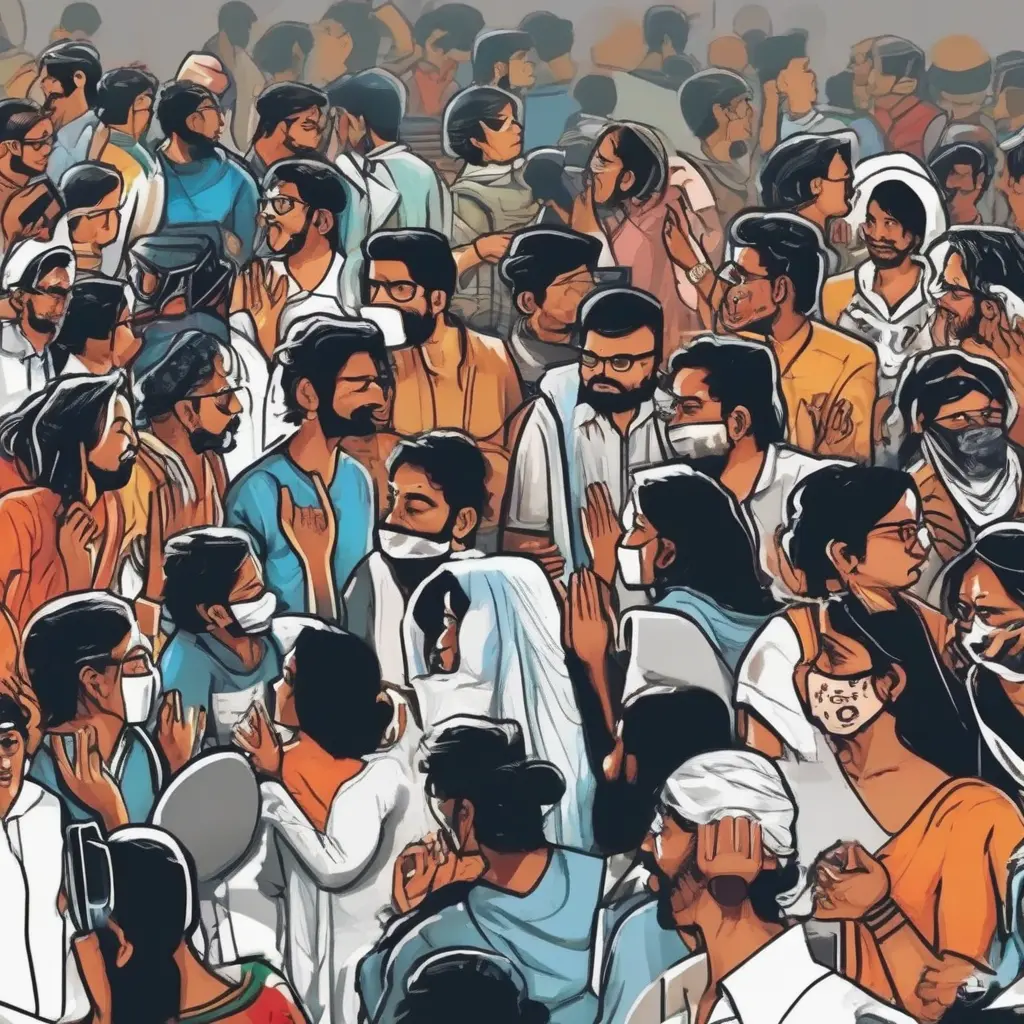
In today’s rapidly evolving digital landscape, activism has found a new home online, especially in a vibrant democracy like India. Digital activism allows individuals to voice their opinions, mobilize support for causes, and advocate for change from the comfort of their homes. However, navigating this space requires an understanding of your rights and how to engage safely. With the potential for misinformation, online harassment, and legal repercussions, it’s crucial to be well-informed. This article delves into the critical aspects of digital activism and provides guidelines for asserting your rights in India’s online environment.
The Rise of Digital Activism in India
Digital activism in India has surged over the past decade, fueled by increased internet accessibility and widespread social media use. Issues ranging from women’s rights to environmental concerns have found powerful advocacy through Twitter, Facebook, and Instagram. Activists harness these platforms not only to raise awareness but also to initiate real-world change. Campaigns like the #MeToo movement and farmers’ protests exemplify the power of digital tools, showing how social media can amplify voices that might otherwise be marginalized. This shift has revolutionized how citizens engage with social and political issues.
Understanding Your Rights Online
In India, citizens possess fundamental rights that extend into the online realm, including the right to free speech and expression. However, these rights come with limitations, particularly when it involves hate speech, defamation, or threats to national security. The Information Technology Act also outlines legal frameworks governing online behavior, making it essential for individuals to educate themselves on these regulations. Understanding your rights helps empower you to express your views, while also being mindful of the boundaries set by law to ensure responsible engagement.
Navigating Online Safety
Engaging in digital activism necessitates a strong awareness of online safety measures. Utilizing privacy settings on social media accounts can protect personal information from unwanted attention and potential harassment. Employing secure passwords and enabling two-factor authentication will significantly enhance your account security. Moreover, familiarizing yourself with how to report harassment or fake news can provide tools to combat negativity effectively. By prioritizing safety measures, activists can focus on their causes without the added burden of online threats.
The Role of Social Media in Advocacy
Social media platforms are potent tools for digital activism, enabling rapid dissemination of information and mobilization efforts. These platforms host discussions, organize events, and share petitions with a global audience, making activism more accessible to individuals without traditional activist backgrounds. However, the viral nature of social media can also lead to the spread of misinformation, complicating advocacy efforts. Activists must ensure the accuracy of their information to maintain credibility and protect the integrity of their causes while leveraging the expansive reach these platforms provide.
Legal Risks of Digital Activism
While digital activism is a powerful tool for advocacy, it also comes with potential legal risks. In India, various laws can apply to online activities, including sedition laws and restrictions on hate speech. This legal landscape can make activists vulnerable to scrutiny and potential repercussions for their expressions, particularly in fiercely debated contexts. Being well-versed in these laws and the possible implications of online actions can help in navigating the digital space more safely. Activists should also consider seeking legal advice when uncertain about the legality of their content.
The Impact of Misinformation
Misinformation can significantly hinder the progress of digital activism by distorting public perception and creating divisiveness. This issue is particularly pertinent in India, where various socio-political contexts amplify the risks associated with misleading information. Activists must commit to verifying their information before dissemination, as the credibility of their message depends on accurate representation. Engaging in critical media literacy and dedicating time to research can equip activists with the tools necessary to combat misinformation effectively, ensuring their advocacy remains constructive.
Building a Supportive Community
Creating a supportive community is integral to the success of any digital activism campaign. Having a network of like-minded advocates can provide emotional support, resources, and collaborative opportunities for amplifying each other’s messages. Online forums and local groups dedicated to specific causes can serve as great platforms for networking and strategizing. Engaging positively with other activists can also lead to knowledge sharing and broader mobilization efforts, enhancing the collective power necessary for impactful change and making the online environment feel less isolating.
Utilizing Digital Tools for Activism
Numerous digital tools can enhance the effectiveness of online activism. Platforms like Change.org and Avaaz facilitate the creation of petitions that can gather signatures and mobilize community support for various causes. Additionally, graphic design tools like Canva can assist in creating visually appealing campaigns that attract attention on social media. Video editing tools and live-streaming platforms also allow activists to convey their messages engagingly. Familiarity with these tools boosts the ability to connect effectively with a wider audience while also tailoring content that resonates with specific demographics.
The Future of Digital Activism in India
As technology continues to evolve, so does the landscape of digital activism in India. Emerging platforms and tools will likely reshape how advocacy occurs, making it essential for activists to stay informed about trends and innovations. The growing concern around digital privacy and the regulation of online speech will also influence future engagement strategies. Engaging with evolving technology opens up new possibilities for activists, allowing for more creative and impactful initiatives that can resonate with younger generations and facilitate lasting change.
Conclusion
Digital activism in India represents a dynamic intersection of technology and social change, offering engaging avenues for citizens to voice their concerns and advocate for their rights. Understanding your legal rights and prioritizing safety in the online space is crucial for responsible engagement. By leveraging digital tools thoughtfully and engaging in connected communities, activists can create a significant impact while navigating the complexities of the online environment. Educating oneself and others about the rights and responsibilities inherent in digital activism serves to empower individuals on this critical journey.